Weight Loss, Part 1: Why You're Not Losing Weight (It Starts With the Math)
Understanding the calorie deficit—and why guessing rarely works.

A colorful meal of fresh vegetables and whole foods beside a calorie-tracking app, representing the role of a calorie deficit and balanced nutrition in achieving healthy, sustainable weight loss.
One of the most common questions we hear at Functional Elements Training & Nutrition in Creve Coeur, MO is:
"Jaime, I'm eating pretty healthy... so why am I not losing weight?"
The answer usually comes back to one thing:
Energy balance.
Let's start this three-part weight loss series with the least glamorous topic of all...
Math.
I get it. Nobody wants to hear "calories in, calories out" one more time. But before we talk mindset, before we talk protein, before we talk meal timing, we have to understand the equation that sits underneath all of it.
What Is a Calorie Deficit?
A calorie deficit occurs when your body consistently burns more calories than it consumes. It is the foundation of healthy, sustainable weight loss.
Food quality, protein intake, exercise, sleep, and stress all play important roles in your long-term health and body composition—but weight loss begins with understanding your energy balance.
The One Rule That Never Changes

Healthy food choices support long-term health—but weight loss still comes down to maintaining a consistent calorie deficit.
At its most basic level, weight loss happens when you consistently burn more calories than you consume.
How do you get there?
You take in less energy than your body burns.
That's it.
Eat foods that aren't considered "healthy" while remaining in a calorie deficit?
You'll still lose weight.
Eat nothing but clean, nutritious foods while consistently consuming more calories than your body needs?
You won't.
Food quality absolutely matters for your health, energy, muscle mass, and long-term success.
But when it comes to body weight itself, the calorie deficit is what drives the change.
Where People Get This Wrong
One of my biggest pet peeves as a dietitian? People choosing a calorie target completely out of thin air.
1,200 calories.
1,500 calories.
Whatever number someone on social media says worked for them.
The problem?
A calorie deficit that's too aggressive often backfires. Go too low for too long and several things begin to happen:
Your metabolism adapts by conserving energy because your body still needs fuel to perform essential functions.
Your daily movement quietly declines because low energy leads to less walking, less fidgeting, fewer stairs, and simply less movement throughout the day.
You increase your risk of losing valuable muscle mass, since total calorie intake—not just protein—plays an important role in preserving lean tissue during weight loss.
Why does that matter?
Because muscle supports your metabolism, strength, mobility, and long-term health. Losing muscle while trying to lose weight isn't the goal.
Ironically, trying to lose weight as fast as possible often makes long-term success much harder.
Healthy Weight Loss Isn't About Eating as Little as Possible
One of the biggest misconceptions I see is that eating fewer calories is always better.
It's not.
Healthy weight loss isn't about starving yourself.
It's about creating a calorie deficit that's realistic, sustainable, and appropriate for your body.
The best weight-loss plan isn't the one that works for two weeks.
It's the one you can still follow six months from now.
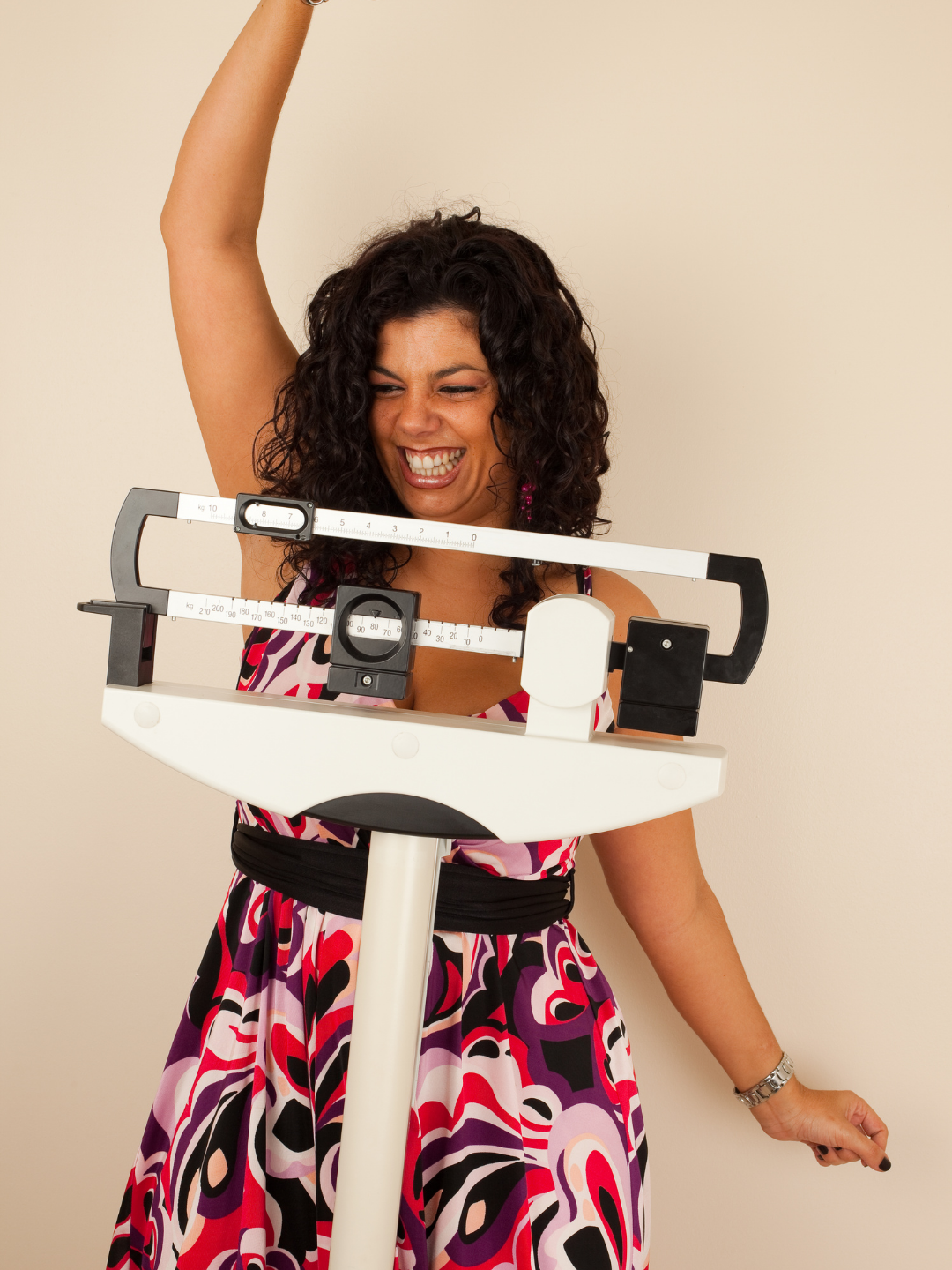
The number on the scale is only part of the story. Healthy weight loss is about building habits you can sustain for life.
Sustainable Weight Loss Beats Fast Weight Loss
Weight loss isn't complicated at its core.
It's an energy deficit maintained consistently over time.
But simple doesn't mean extreme.
Find the right calorie target.
Respect it.
Don't guess it.
At Functional Elements Training & Nutrition in Creve Coeur, MO, we help clients determine an appropriate calorie target based on their goals, activity level, muscle mass, and lifestyle—not someone else's social media post.
The Bottom Line
Healthy weight loss starts with understanding the math.
Once you know your calorie needs, you can build a nutrition plan that supports fat loss while preserving muscle, maintaining energy, and setting yourself up for long-term success.
If you're tired of guessing how many calories you should be eating, working with a registered dietitian can help you create a plan that's realistic, sustainable, and designed specifically for your body and your goals.
Next up in this series...
We'll talk about why the math is only half the battle—and how your mindset can make or break your weight-loss success.
Frequently Asked Questions
What is a calorie deficit?
A calorie deficit occurs when your body burns more calories than it consumes over time. Maintaining a calorie deficit is the foundation of healthy, sustainable weight loss.
How many calories should I eat to lose weight?
There isn't a one-size-fits-all answer. Your ideal calorie target depends on factors such as your age, activity level, muscle mass, metabolism, and weight-loss goals.
Is eating too little bad for weight loss?
Yes. Eating too few calories for an extended period can reduce daily energy, increase muscle loss, decrease physical activity, and make long-term weight loss more difficult.
Can I lose weight while eating unhealthy foods?
Weight loss is primarily driven by maintaining a calorie deficit. However, nutritious foods provide the protein, fiber, vitamins, and minerals your body needs to stay healthy, preserve muscle, and feel its best.
Why am I not losing weight if I'm eating healthy?
Eating nutritious foods is important, but healthy foods still contain calories. If you're consistently eating more calories than your body burns, weight loss is unlikely—even if your food choices are generally healthy.
The Bottom Line

Registered Dietitian Jaime Rothermich helps clients build realistic nutrition plans that support healthy, sustainable weight loss.
Weight loss begins with the math.
You need a calorie deficit to lose weight. There simply isn't a way around that.
But knowing what to do and consistently doing it are two very different things.
That's exactly why calorie calculators, crash diets, and social media advice so often fall short.
At FE Training & Nutrition, we help people move beyond guessing. We create realistic nutrition and training plans based on your body, your goals, and your lifestyle—so you can lose weight without sacrificing your energy, muscle, or sanity.
Because while the math matters...
It's only part of the story.
In Part 2, we'll explore why two people can follow the exact same nutrition plan and get completely different results—and why your mindset often becomes the deciding factor in long-term weight-loss success.
And remember…
GIVE YOUR BODY WHAT IT NEEDS, WHEN IT NEEDS IT!
Jaime Rothermich, RD, CSSD, LD, PPSC×KB, CSCS
Registered Dietitian
Functional Elements Training & Nutrition
TRAIN FOR LIFE
👉 Continue to Part 2: Why Weight Loss Isn’t Just About the Math — Your Mindset Matters, Too.
Related Articles
➡️ Is Walking Enough Exercise After 40?
➡️ Why Every Woman Over 40 Should Strength Train
➡️ Why Muscle Mass Matters More Than Your Weight After 40
➡️ How to Read Your InBody Results (And Which Numbers Actually Matter)