Is Walking Enough Exercise After 40?
One of the most common questions I hear at FE Training & Nutrition in Creve Coeur, MO is this:
"Jaime, I've been walking every day. Is that enough?"

Walking is one of the best things you can do for your health. The question is... is it enough after 40?
And I always answer the same way:
It depends on what you mean by "enough."
Enough to do nothing? No.
Enough to do something? Absolutely.
Walking is one of the best forms of exercise you can do. But after 40, your body is asking for more.
👉CHECK THIS OUT: GETTING IN SHAPE AFTER 40: 10 TRUTHS ABOUT STRENGTH, FAT LOSS & HEALTHY AGING
For most adults over 40, walking alone isn't enough to maintain muscle mass, support bone density, or optimize long-term health.
The best approach combines regular walking with strength training, adequate protein, and quality sleep.
First, Let's Give Walking the Credit It Deserves
Going from no exercise to just 90 minutes of walking per week can reduce your risk of all-cause mortality by approximately 14%.
Find me a drug that does that.
Walking improves cardiovascular health, lowers stress, supports blood sugar management, improves sleep, boosts mood, and increases daily movement.
For many of the clients I work with, walking becomes the first domino.
A 15-minute walk a few days each week eventually turns into better nutrition, more confidence, strength training, and a healthier lifestyle.
So no...
I'm not here to tell you walking isn't worthwhile.
It absolutely is.
But after 40?
Walking alone leaves a lot on the table.
Here's What Changes After 40
Here's something I tell clients that usually stops them in their tracks:
Your metabolism doesn't slow down simply because you're getting older.
It slows because we often:
move less
lose muscle
sleep less
accumulate years of dieting and stress
The biggest factor?
Muscle loss.
Beginning in your 30s, adults naturally begin losing skeletal muscle mass—a condition known as sarcopenia. Without resistance training and proper nutrition, that loss accelerates with age.
Less muscle means:
a slower metabolism
reduced strength
poorer balance
greater injury risk
reduced independence later in life
Walking improves cardiovascular fitness...
But it does very little to preserve or build the muscle your body is gradually losing.
Want to learn more about why muscle matters? Check out our article, "Why Muscle Mass Is An Important Health Marker As We Age.”
Muscle is your body's savings account. You need to keep making deposits through strength training and adequate protein so you have something to withdraw when life gets harder.
What Your Body Actually Needs After 40
Think about your exercise plan as having two jobs.
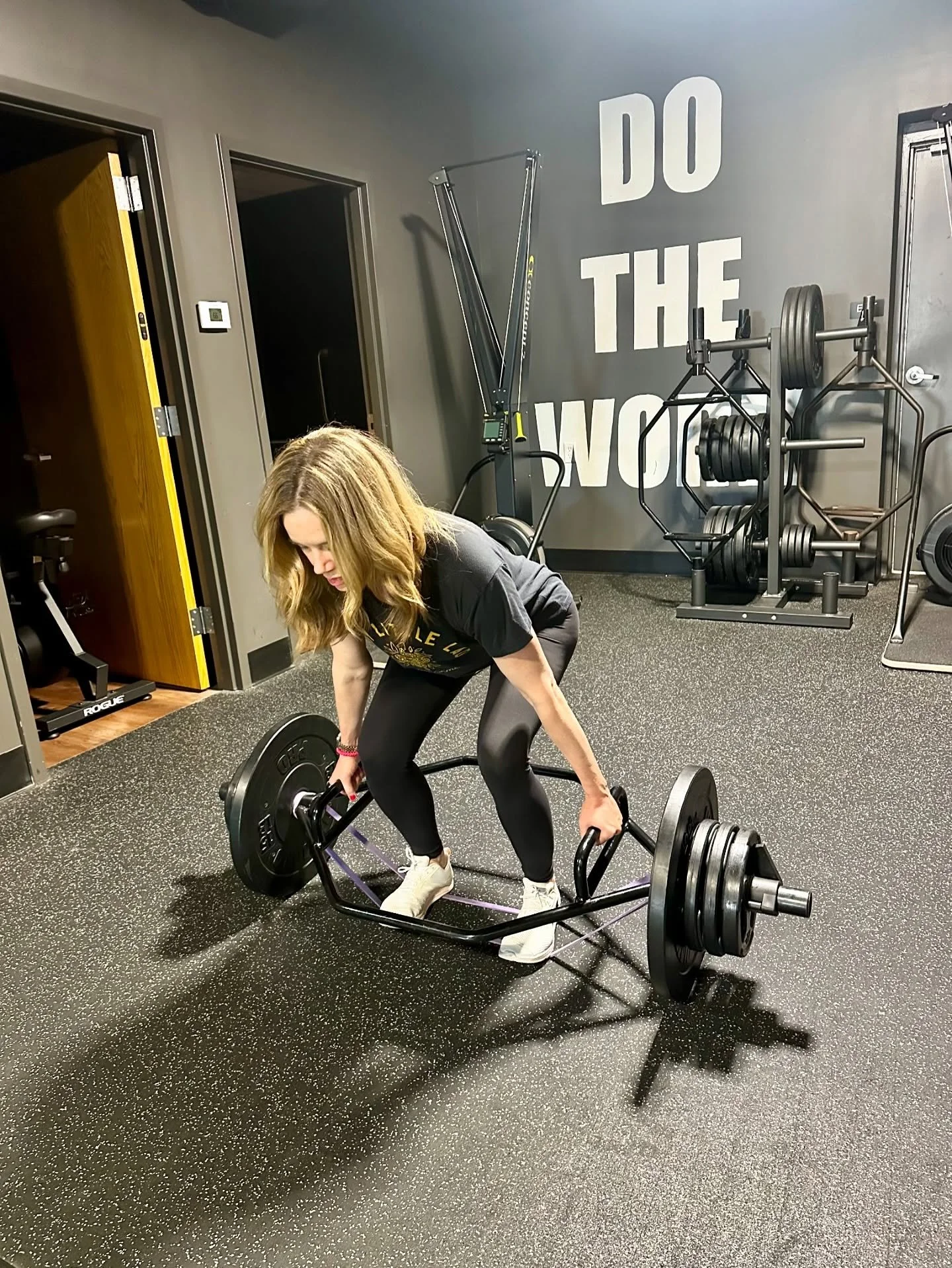
Walking builds endurance. Strength training builds the muscle that helps keep you strong, capable, and independent for years to come.
1. Cardiovascular Health
Keep walking.
In fact, keep doing lots of it.
Aim for 7,500+ daily steps whenever possible, and occasionally challenge yourself with hills, brisk walking, or intervals to keep your heart adapting.
2. Strength Training
This is the piece most people skip.
It's also the piece that becomes increasingly important after 40.
Even two strength-training sessions per week can help you:
maintain muscle mass
support metabolism
improve bone density
reduce fall risk
improve posture
maintain mobility
preserve independence
That's an incredible return on investment.
A Real Example From My World
One of my clients, Amy, had been doing almost everything right.
She was training consistently.
Sleeping well.
Managing stress.
Yet her InBody scans showed a slow decline in skeletal muscle mass.
After reviewing everything, we discovered the culprit.
Protein.
Her intake had quietly drifted downward over several months.
That small change was enough to shift the trend in the wrong direction.
Strength training and adequate protein work together.
One without the other is rarely enough.
Curious how we measure muscle mass? Learn more about our InBody Scan and how it tracks skeletal muscle mass and body composition.
The Practical Starting Point
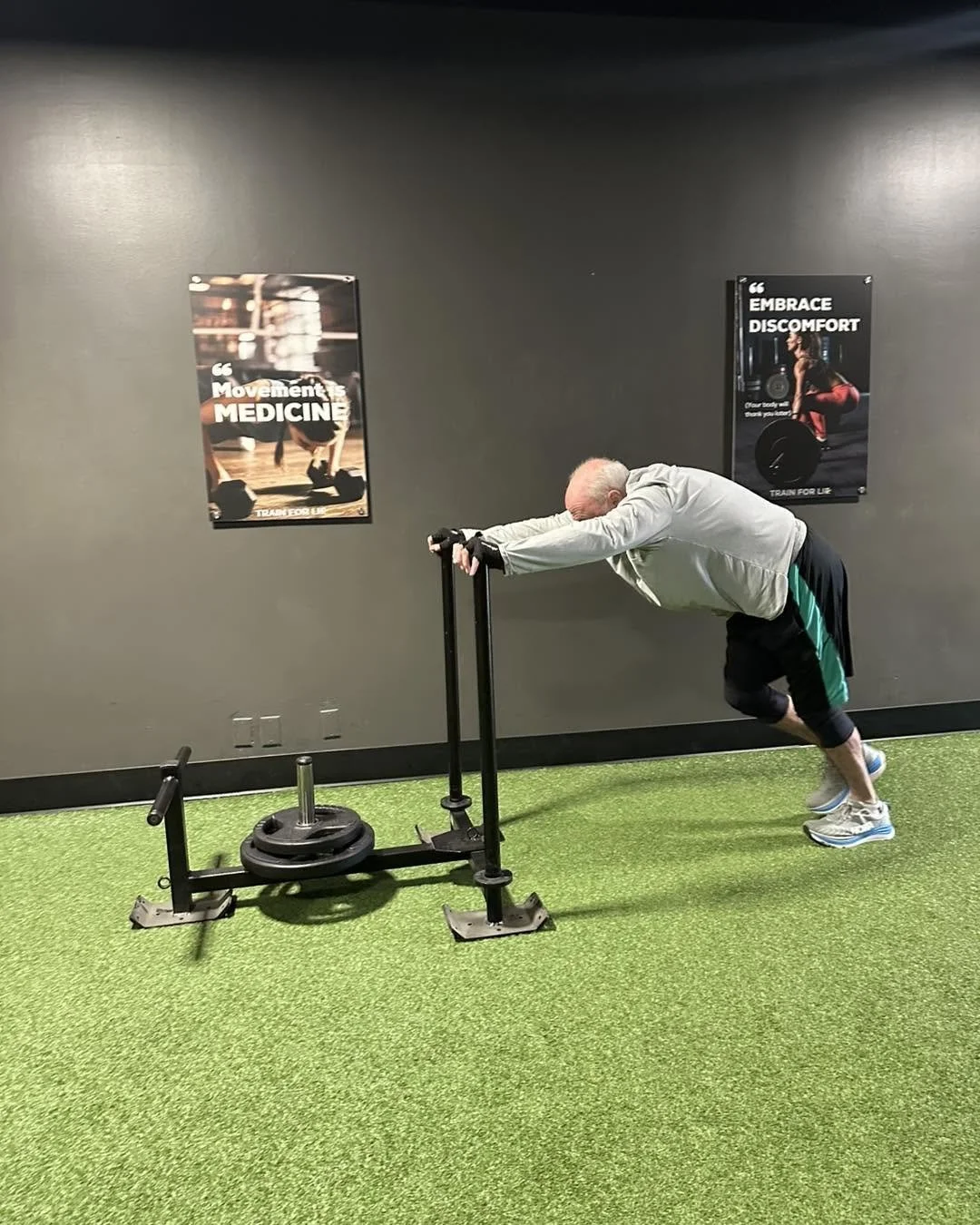
Healthy aging isn't just about living longer—it's about staying strong enough to keep doing the things you love.
You don't need a complete lifestyle overhaul.
You simply need to add a few intentional habits.
Continue walking. Aim for 7,500 or more daily steps and increase intensity once or twice each week.
Add 2 strength-training sessions per week. Not five. Just two. Gym, home, resistance bands—whatever you'll consistently do.
Prioritize protein. Aim for approximately 1 gram of protein per pound of lean body mass spread throughout the day.
Protect your sleep. Seven to eight hours remains one of the most important recovery tools available.
Walk. Lift. Eat protein. Sleep. That's the foundation of healthy aging after 40.
So... Is Walking Enough?
Walking is enough to move you from doing nothing to doing something.
And that's a tremendous first step.
But if your goals include:
maintaining muscle
supporting your metabolism
improving body composition
protecting your bones
staying independent
feeling stronger every year
...walking alone isn't enough.
Walk.
Lift.
Eat enough protein.
Sleep well.
Do those four things consistently, and your future self will thank you.
Frequently Asked Questions
Is walking enough exercise after 40?
Walking provides tremendous cardiovascular and mental health benefits, but most adults over 40 also benefit from strength training to preserve muscle mass, support bone density, and maintain long-term health.
How often should adults over 40 strength train?
Most adults can see significant health benefits from strength training just 2–3 times per week, especially when combined with regular walking and adequate protein intake.
Is walking or strength training better after 40?
Both are important. Walking supports heart health and daily activity, while strength training helps maintain muscle mass, metabolism, bone density, and functional independence.
How many steps should I walk each day after 40?
A goal of approximately 7,500–10,000 daily steps, combined with regular strength training, is a great foundation for most healthy adults.
Need Help Getting Started?
At FE Training & Nutrition in Creve Coeur, MO, we help adults over 40 build realistic fitness and nutrition plans that fit real life.
Whether you're just getting started or looking to take your health to the next level, we're here to help you build strength, improve your health, and age with confidence.
It's never too late to start. And, as always…
Tony Muyco III, CSCS, PPSC, PPSC*KB, CFSC
Functional Elements Training and Nutrition Center
Partner and Director of Training
(c) 314.401.5047
functionalelements@gmail.com
http://www.functionalelements.net
If you need a kickstart to get your fitness, nutrition and recovery program properly synched, we can help. It's what we do. Check out our 14-day 360• to get you motivated, educated and aligned with the very best Functional Elements Training & Nutrition has to over, over a period of just 14 days.