One of the most common nutrition questions we get at Functional Elements Training & Nutrition in Creve Coeur, MO is whether you should eat before a workout.
Some people swear by fasted training. Others won't exercise without a snack first.
So who's right?
The answer may surprise you.
A client asked me this recently, and I love the question because it's one of those topics that actually matters in the real world.
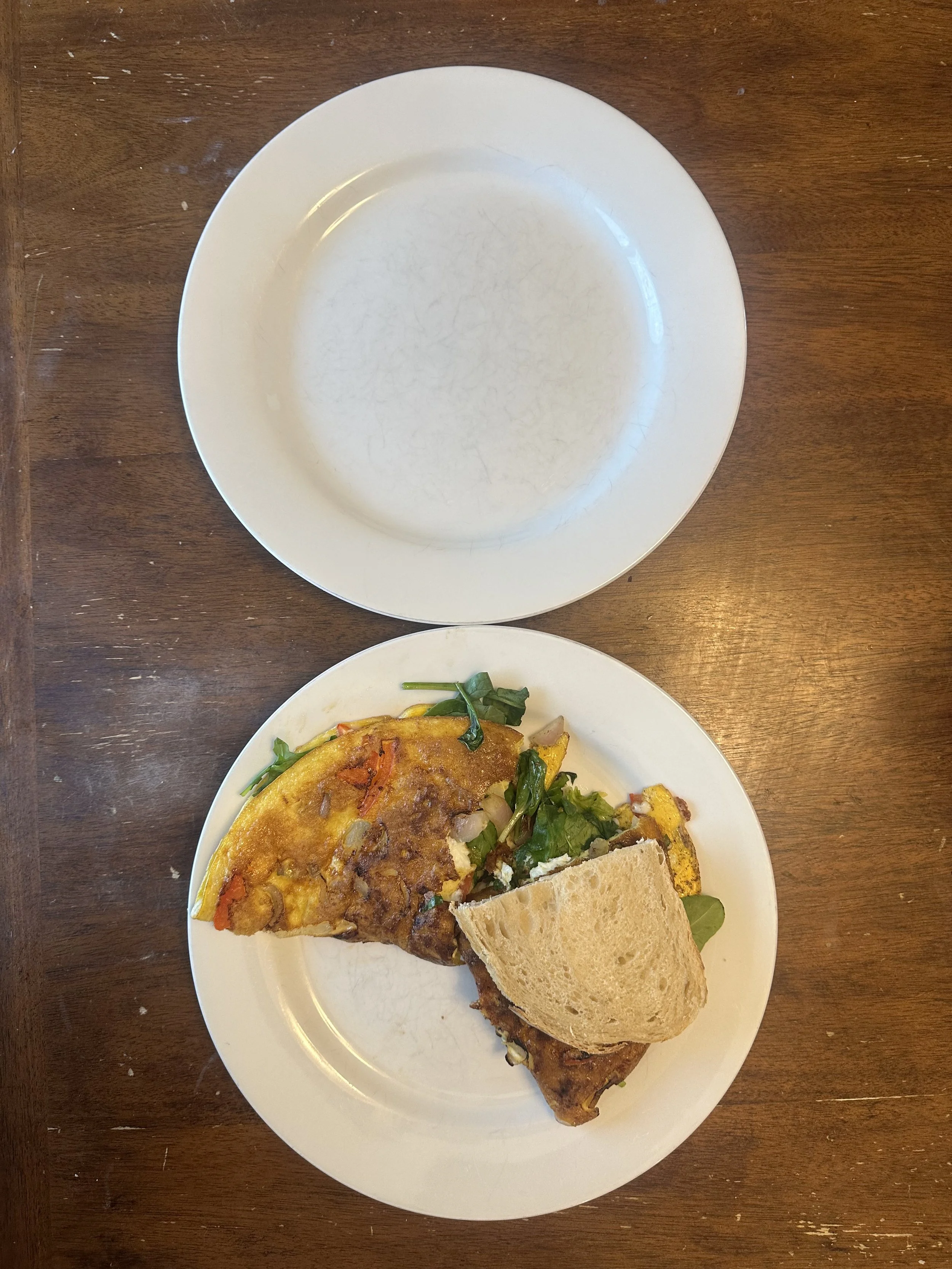
The best pre-workout meal is often the one that leaves you feeling energized—not sluggish—when it's time to train.
Whether you're trying to build strength, improve your fitness, lose weight, or simply feel better during your workouts, understanding how to fuel your body can make a difference.
Here's my honest take:
Train how YOU feel best.
I personally work out fasted.
Always have.
Early morning, nothing in the tank, and I feel great. That works for me.
But life happens. Not every workout is a 7 a.m. session. When I'm training later in the day, I like to give myself ideally about three hours from my last meal before hitting a training session. That's enough time for digestion to do its thing without feeling like I'm carrying my lunch into the gym.
One thing I want to be clear about, though...
Working out fasted does NOT lead to greater body fat loss long term.
I know that's a popular belief. But the research simply doesn't support it.
Studies show that changes in body composition from aerobic exercise are similar whether you train fasted or fed.
While fasting before exercise may increase fat oxidation during the workout itself, it does not translate into greater fat loss over time compared to training after eating.
Total calories in versus calories out still runs the show.
So train fasted because it feels better—not because you think it's some secret fat-loss advantage.
If You Eat Before a Workout, Here's How to Do It Right
Carbohydrates are your friend here.
Strength training, HIIT workouts, and other high-intensity exercise demand fast, readily available energy. Carbohydrates are exactly that.
Your body relies heavily on carbs during intense exercise. Fat simply can't provide energy quickly enough when you're pushing hard.
The timing of your workout helps determine what to eat.
30–60 Minutes Before Exercise?
Keep it simple and easy to digest.
Think fruit.
A banana, applesauce, or a handful of grapes can provide quick energy without creating stomach issues.
60–90 Minutes Before Exercise?
You've got a little more time, so more complex carbohydrates work well here.
Oats, toast, or a sweet potato are all great options.
These foods take longer to digest and can provide a steadier supply of energy throughout your workout.
What About Protein?
I know...
But pre-workout is one time where I usually pump the brakes on it.
Protein slows digestion. The last thing you want is food sitting heavy in your stomach when you're trying to perform.
Save the protein for after your workout.
That's when your body needs it most to support recovery, muscle repair, and muscle growth.
Listen to Your Body
Here's the bottom line:
If you feel strong, sharp, and energized working out fasted, keep doing it.
If you're dragging, losing steam halfway through your workout, or your performance is suffering, that may be your body's way of telling you it wants fuel.
Listen to it.
At Functional Elements, we work with people every day who are trying to find the approach that works best for their body, schedule, and goals. There is rarely a one-size-fits-all answer in nutrition.
The best strategy is often the one you can perform consistently.
Train hard.
Fuel appropriately.
Pay attention to how your body responds.
And build from there.
Frequently Asked Questions
Should I eat before a workout?
It depends on personal preference and workout intensity. Some people perform well training fasted, while others feel stronger and more energized after eating beforehand.
Does fasted cardio burn more fat?
Fasted exercise may increase fat oxidation during the workout, but research shows it does not lead to greater long-term fat loss compared to exercising after eating.
What should I eat before a workout?
For workouts within 30–60 minutes, easily digestible carbohydrates like fruit work well. If you have 60–90 minutes before exercise, more complex carbohydrates such as oats, toast, or sweet potatoes can provide sustained energy.
Should I eat protein before a workout?
Protein is generally more beneficial after exercise for recovery and muscle building. Before training, carbohydrates are typically the preferred fuel source.
As always…
GIVE YOUR BODY WHAT IT NEEDS, WHEN IT NEEDS IT!
Jaime Rothermich RD CSSD LD PPSCxKB PPSC
@functionalelements
functionalelements.net
If you’re searching for evidence-based nutrition coaching and personal training in or around St. Louis, Missouri, these same principles form the foundation of the work we do every day at Functional Elements—helping adults build strength, lose weight sustainably, and improve long-term health. Check out our 14-day 360° to get you motivated, educated and aligned with the very best Functional Elements Training & Nutrition has to offer over a period of just 14 days.