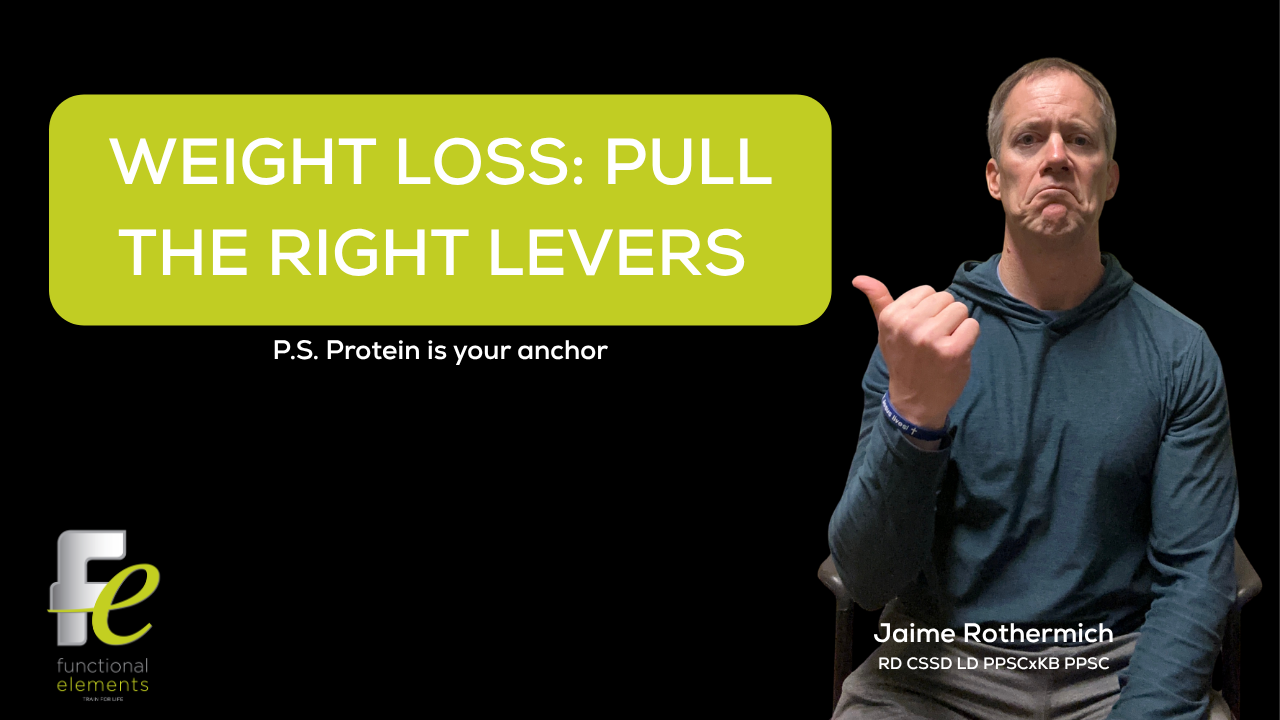
Weight Loss, Part 3: Pull the Right Levers
We’ve covered the math of weight loss in Part 1 and the mindset behind sustainable weight loss in Part 2.
Now let’s talk strategy... specifically, which macros should you actually adjust when your goal is losing body fat while maintaining muscle?
Protein is your anchor. Carbs and fat are what you actually adjust.
We’ve covered the math of weight loss in Part 1 and the mindset behind sustainable weight loss in Part 2.
Now let’s talk strategy... specifically, which macros should you actually adjust when your goal is losing body fat while maintaining muscle?
Protein Is the Anchor
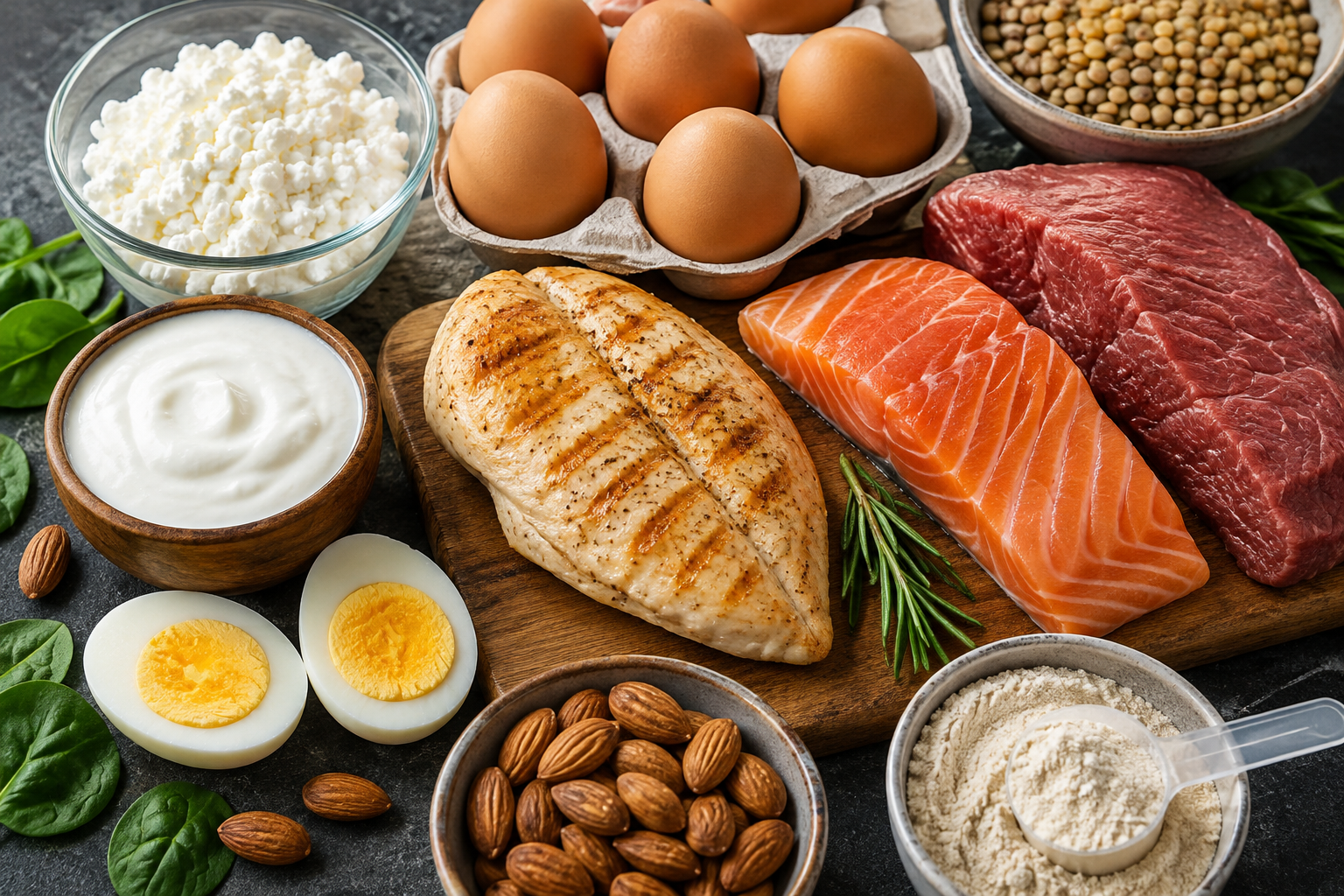
Protein is the anchor. When calories come down, getting enough protein becomes even more important for helping maintain muscle while you lose weight.
Protein isn’t just about building muscle. When you’re eating in a calorie deficit, getting enough protein helps protect the muscle you already have.
And that matters.
The goal shouldn’t simply be to make the number on the scale go down. Ideally, you want to lose body fat while preserving as much lean muscle as possible.
👉 Want a better way to measure progress than the scale? Learn what an InBody scan can tell you about muscle mass, body fat and body composition.
There’s an important relationship at play here, too: the more aggressive your energy deficit becomes, the more important adequate protein intake becomes... not less.
Think of protein as the anchor. Once you establish an appropriate protein target, carbohydrates and fats become the primary levers you adjust around it.
Protein also works in your favor in two other ways.
First, it tends to keep you fuller for longer, which can make a calorie deficit easier to maintain.
Second, protein has a higher thermic effect of food than carbohydrates or fat. In other words, your body uses more energy digesting and processing protein.
That doesn’t make protein some magical weight-loss food.
But it does make getting enough protein an important part of a smart weight-loss plan.
Carbs and Fat Are the Levers
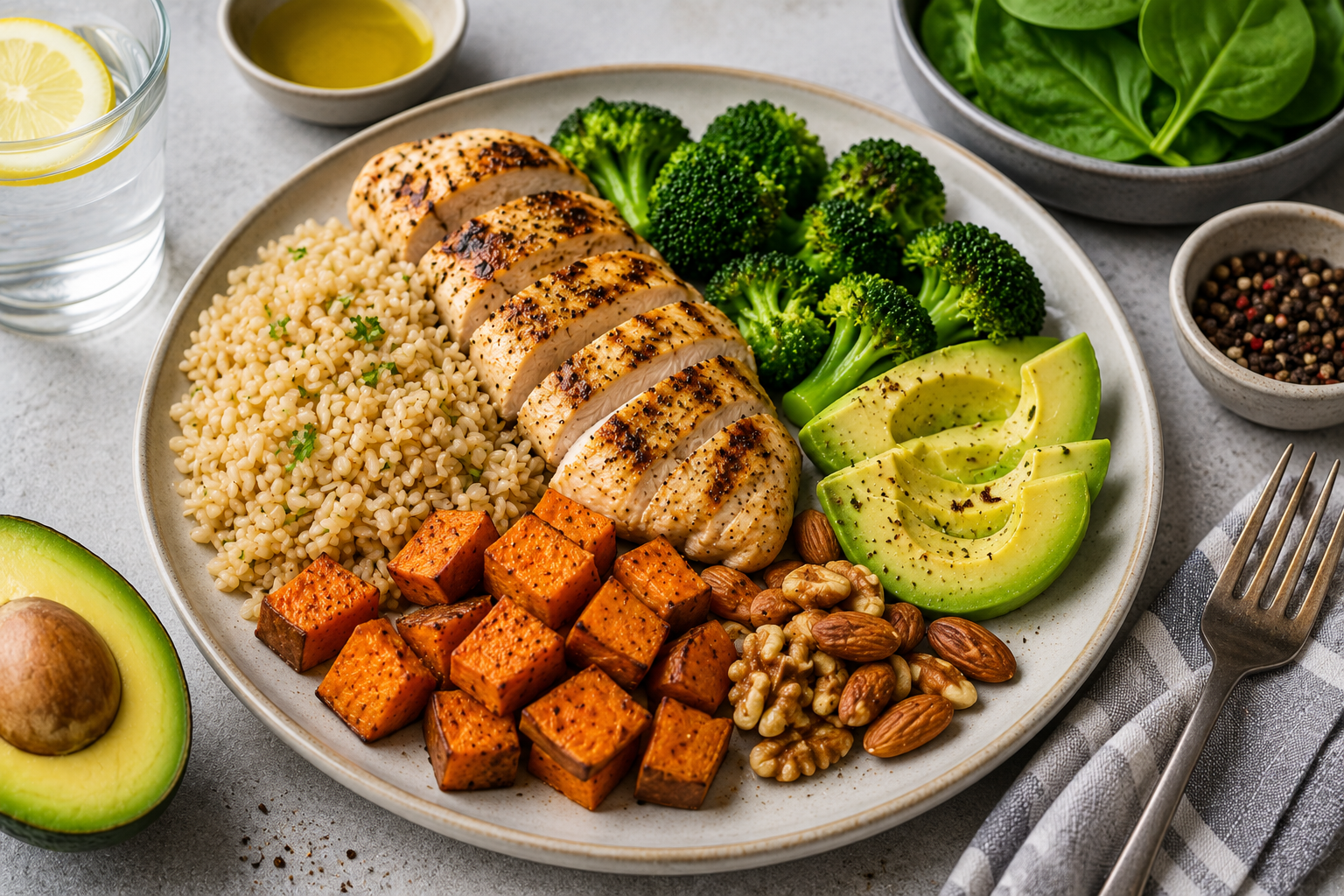
Carbs and fat aren’t the enemy. Once protein is established, carbs and fat are the levers you can adjust based on your goals, training and preferences.
So if we’re prioritizing protein, where does the calorie deficit actually come from?
Usually, carbohydrates and dietary fat.
These are your adjustable levers... the ones you can raise or lower based on your goals, training, lifestyle and preferences.
Want more energy around your training? Lean a little heavier on carbohydrates.
Prefer a lower-carb approach? Shift more of your remaining calories toward fat.
Prefer a more balanced approach? Divide the remaining calories between carbs and fat in a way you can actually sustain.
Either way, protein remains the anchor while carbohydrates and fats become the dials you adjust to reach your calorie target.
And this is why fad diets that automatically make one macronutrient the enemy tend to miss the bigger picture.
Carbs aren’t inherently the problem. Fat isn’t inherently the problem.
It’s about intentionally deciding how to allocate the calories surrounding your protein target.
What Are the Best Macros for Weight Loss?
Here’s where everyone wants the magic formula:
Just tell me exactly how much protein, carbs and fat I should eat.
Unfortunately, there isn’t one perfect macro split for weight loss.
Your appropriate targets can depend on your:
Current body composition
Calorie needs
Activity level
Strength-training program
Goals
Food preferences
Ability to consistently follow the plan
That’s why copying someone else’s macros or plugging your information into a generic online calculator may not give you the best answer.
The best macros for weight loss are the ones that create an appropriate calorie deficit, provide enough protein to support your muscle, fuel your activity and are realistic enough for you to maintain.
Not quite as exciting as the latest diet trend.
But far more useful.
Putting the Weight-Loss Series Together
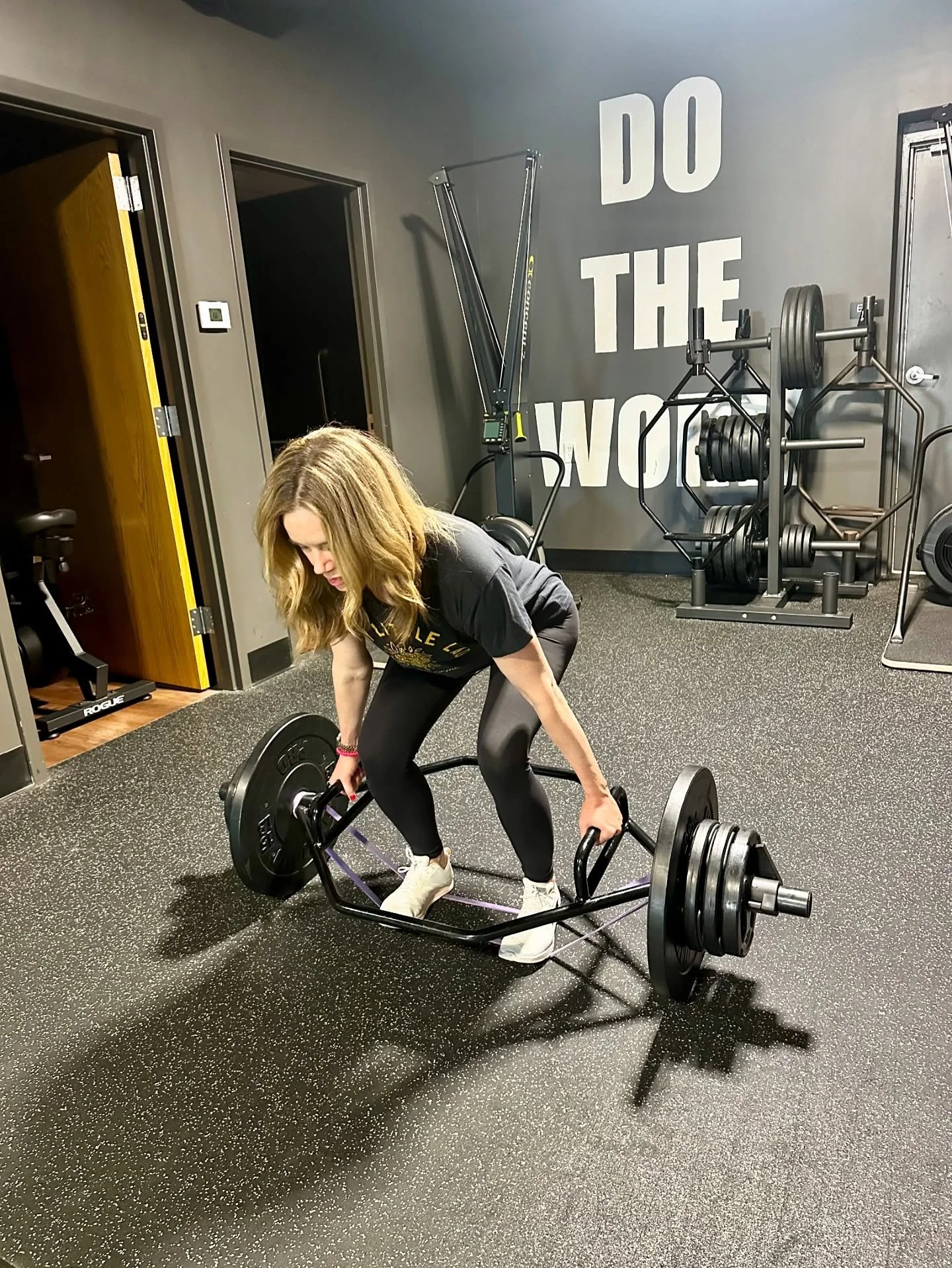
Strength training and good nutrition work together. Maintaining muscle while losing body fat is an important part of building a stronger, healthier body for the long term.
So let’s bring all three parts of this series together.
THE MATH: You need a genuine, sustainable calorie deficit... not a guessed-at number that’s unnecessarily low.
THE MINDSET: Take weight loss off the pedestal. Build habits you can repeat, learn how to recover from imperfect days and give yourself credit for the non-scale wins.
THE MACROS: Prioritize adequate protein to help preserve muscle, then use carbohydrates and fats as the levers you adjust within your overall calorie target.
That’s the bigger picture.
No secrets. No shortcuts. No single food you have to eliminate.
The math, the mindset and the macros all have to work together.
And perhaps most importantly, the plan has to work for you.
The Bottom Line
Successful, sustainable weight loss isn’t about eating as little as possible or eliminating entire food groups.
It’s about creating a nutrition strategy that helps you lose body fat, maintain muscle, fuel your training and eat in a way you can actually sustain.
And that’s also why we don’t believe nutrition and exercise should exist in two separate worlds.
At Functional Elements Training & Nutrition in Creve Coeur, we bring nutrition, strength training and body-composition tracking together so we can look at far more than simply what the scale says.
👉 Learn why strength training is one of the most powerful tools we have for aging well.
Because the ultimate goal isn’t just to weigh less.
It’s to build a stronger, healthier body you can maintain for the long haul.
If you’re tired of guessing at calories, protein and macros and want help putting all the pieces together, that’s exactly what our team at Functional Elements is here for.
GIVE YOUR BODY WHAT IT NEEDS, WHEN IT NEEDS IT!
Ready to put it all together?
If you could use a kickstart with your fitness, nutrition and recovery, we can help. It's what we do. Check out our 14-Day 360°and see how Functional Elements can help you build a plan around you.
Jaime Rothermich, RD, CSSD, LD, PPSC×KB, CSCS
Registered Dietitian
Functional Elements Training & Nutrition
TRAIN FOR LIFE
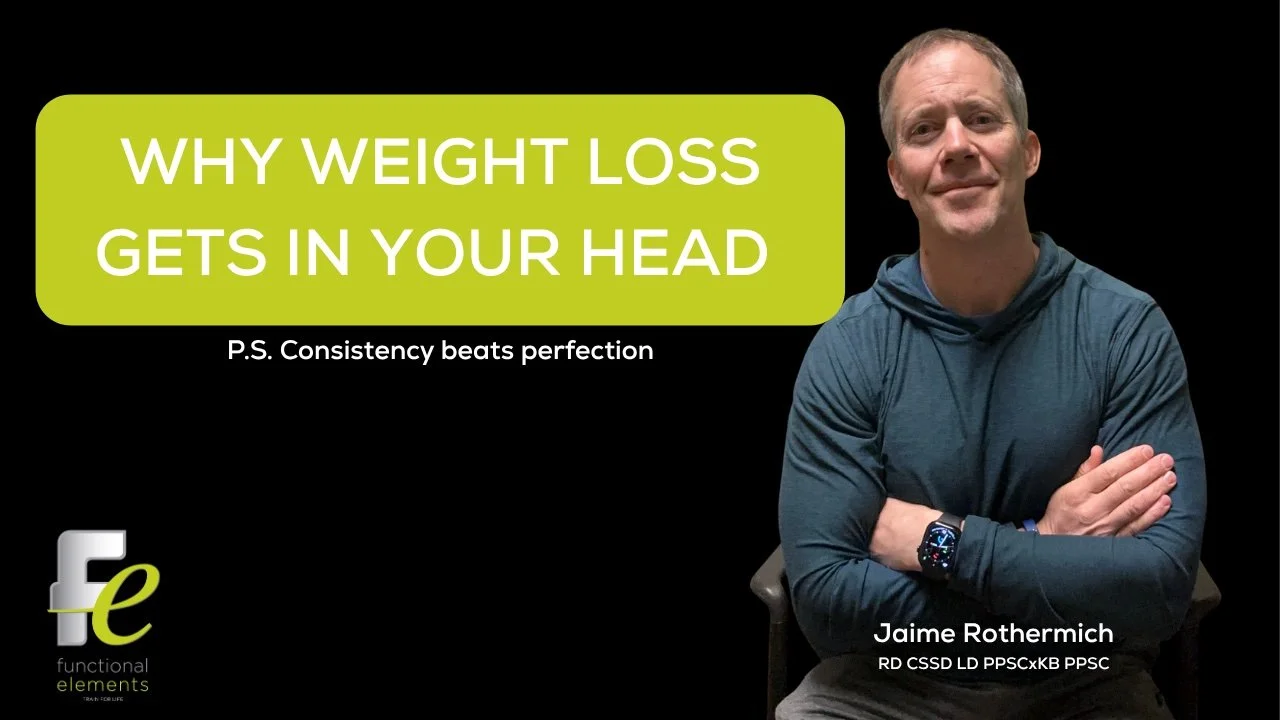
Weight Loss, Part 2: The Battle Happens Between Your Ears
In Part 1 of our Weight Loss Series, we talked about the math: a consistent calorie deficit is the foundation of weight loss.
But knowing the math doesn't guarantee success.
Why?
Because successful, sustainable weight loss isn't just about calories.
That's where Part 2 begins…
Why mindset and consistency matter more than perfection for long-term weight loss.
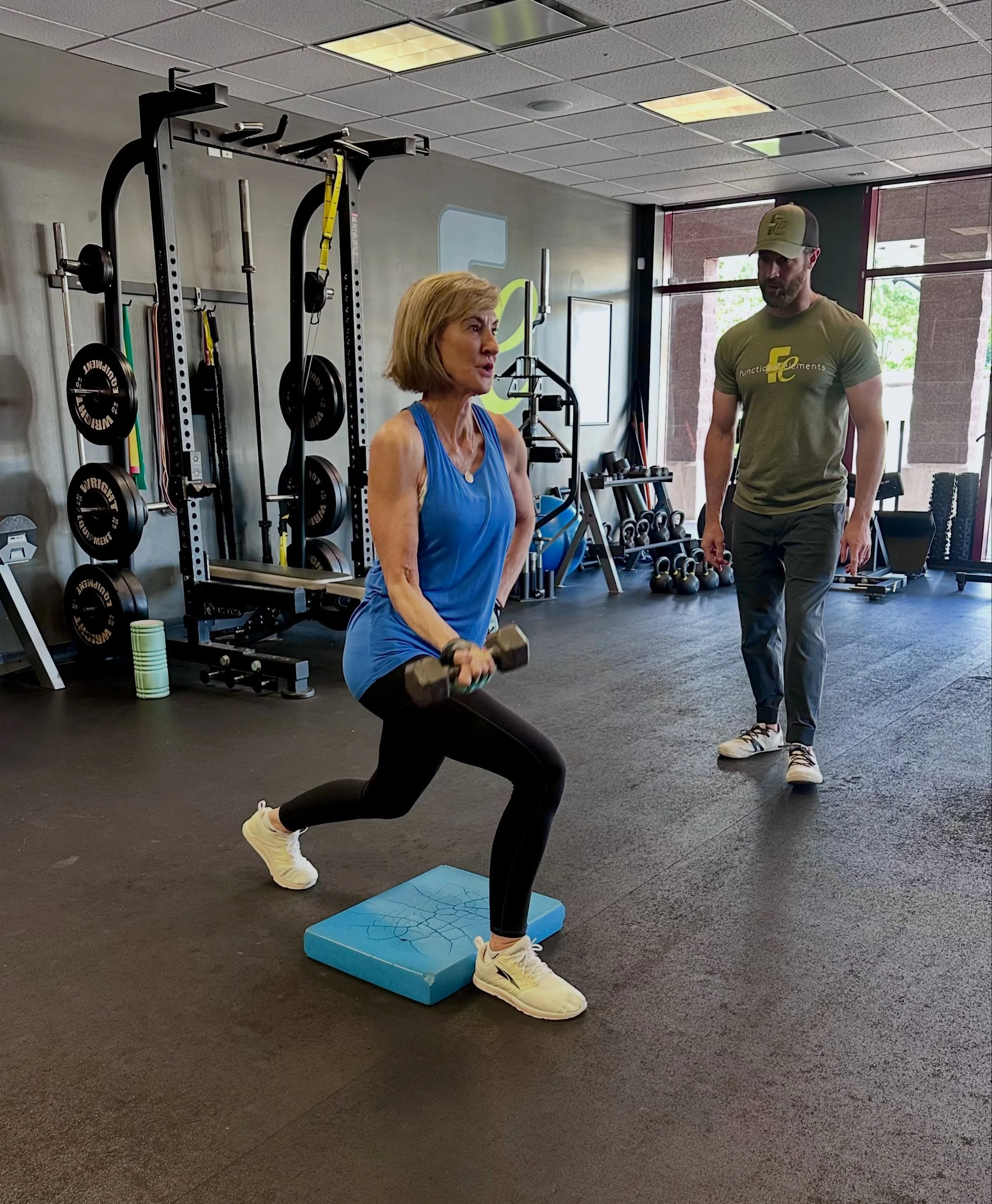
Long-term results aren't built on perfect days. They're built by consistently showing up and doing the work.
In Part 1 of our Weight Loss Series, we talked about the math: a consistent calorie deficit is the foundation of weight loss.
But knowing the math doesn't guarantee success.
You can know exactly how many calories to eat. You can have your protein target dialed in. You can have a great workout plan.
And still struggle to lose weight.
Why?
Because successful, sustainable weight loss isn't just about calories. Your mindset, habits, and ability to stay consistent when life doesn't go according to plan matter too.
That's where Part 2 begins.
The Same Weight-Loss Plan. Two Completely Different Outcomes.
Here's a scenario I've seen play out more times than I can count.
Two clients start essentially the same plan—similar calorie targets, protein goals, and training schedules.
Six weeks later, one is thriving.
The other has quit.
What happened?
It wasn't necessarily the plan.
Client one hits a weekend where things go sideways—a couple extra meals out, a missed workout. She logs it, shrugs it off, and gets back on track Monday.
Client two hits that same weekend, decides she's "blown it," and the guilt spirals into a full week off the plan...
Which turns into a month.
Same basic strategy.
Completely different outcomes.
The difference wasn't nutrition science.
It was how each person responded to a bad day.
That's the piece most weight-loss plans never account for. You can hand two people identical instructions, but you can't hand them identical mindsets.
And mindset can determine whether a rough patch becomes a footnote—or a full derailment.
Stop Putting Weight Loss on a Pedestal
I've sat across from clients who've been fighting this battle for three years... five years... a decade.

The scale is only one piece of the puzzle. Real progress comes from the healthy habits you keep showing up for—moving your body, eating well and staying consistent even when life gets in the way.
And here's what can happen the longer that struggle goes on:
The goal gets bigger.
Weight loss becomes the thing you dwell on, dream about, and allow to consume far too much of your day.
The longer weight loss doesn't happen, the larger it can grow in your head.
So here's my advice:
Take weight loss off the pedestal.
Instead of making the number on the scale your only measure of success, shift your attention toward the behaviors you can actually control:
Eating nutritious foods consistently
Getting enough protein
Strength training
Moving regularly
Sleeping well
Getting back on track when life happens
Do those things consistently and allow weight loss to become a by-product of better habits, rather than the only thing you're chasing.
That one reframe can take an enormous amount of pressure off.
Redefine What Weight-Loss Progress Looks Like
I recently worked with a client who felt like she was failing.
She hadn't lost much weight in four weeks and was beating herself up over it.
So we changed the lens.
Turns out she'd broken a long-standing habit of waking up at night to eat—and hadn't reverted once.
She'd also gone from sporadic family dinners to consistently eating two per week.
Those aren't consolation prizes.
Those are wins.
Progress doesn't only show up on the scale.
Non-scale victories can include better energy, improved strength, healthier eating habits, more consistent workouts, better sleep, improved body composition, or simply recovering faster after an off day.
Those wins build the behavioral foundation that makes long-term results possible.
Give yourself credit for what you are doing before focusing exclusively on what you're not.
Sustainable Weight Loss Shouldn't Require Heroics
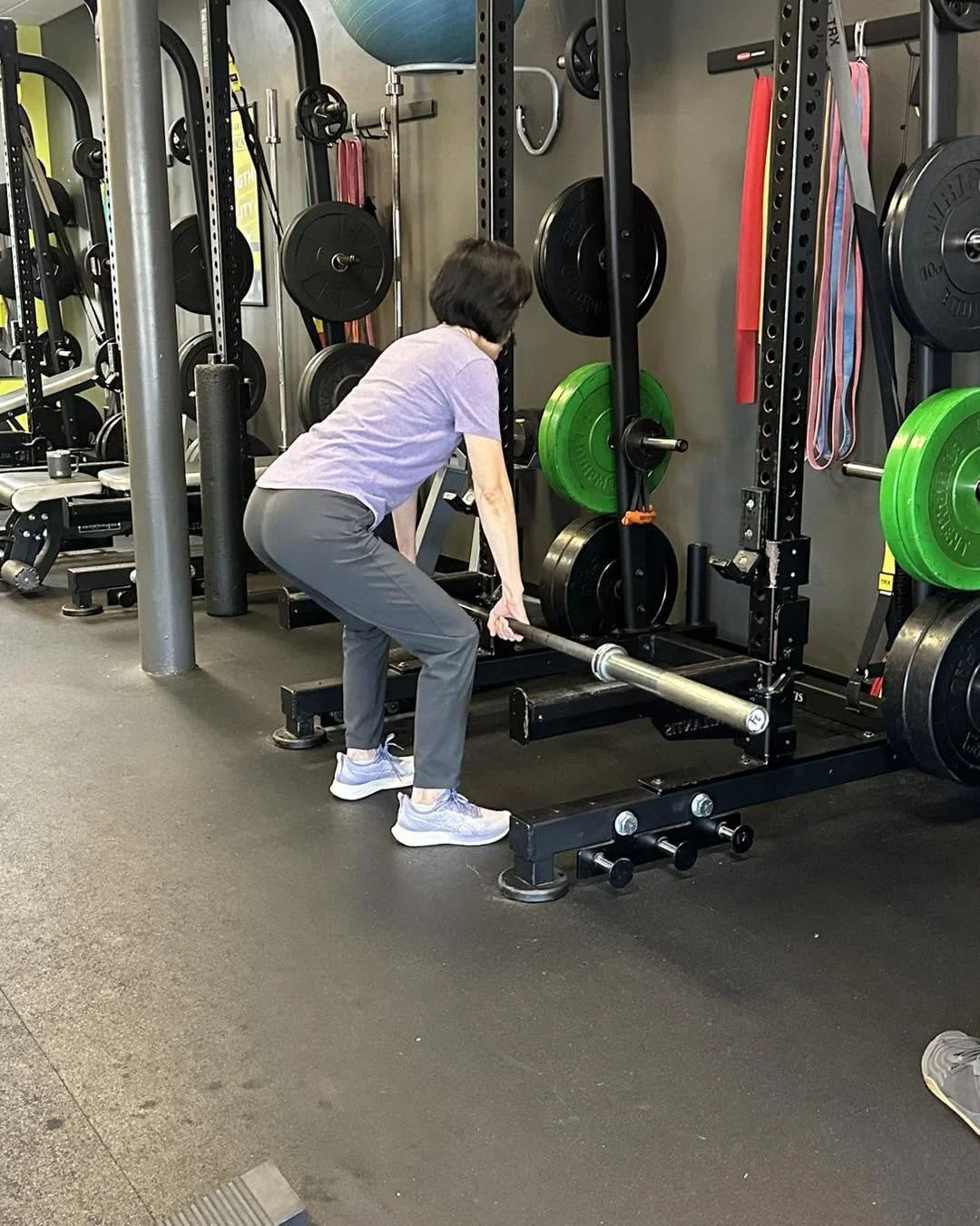
Progress doesn’t require extreme workouts. Start with what you can realistically do, stay consistent, and build from there.
We've been taught that getting healthy has to be a grind.
Suffer now. Results later.
I disagree.
Consistent, sustainable change comes from actions that are easy enough to repeat, not extreme enough to burn you out.
If two walks per week is realistic right now, start with two.
Hit them consistently.
Then build from there.
That's far more productive than promising yourself five workouts, completing two, and deciding you've failed.
A win is a win. And wins compound.
Frequently Asked Questions
Why is mindset important for weight loss?
Mindset affects how you respond to setbacks, imperfect days and slow progress. Sustainable weight loss requires consistency over time, and a flexible mindset makes it easier to return to healthy habits rather than letting one setback derail your progress.
Why can't I stay consistent with weight loss?
Weight-loss plans often fail because they're too restrictive or difficult to maintain. Building smaller, realistic habits that fit your lifestyle can make consistency easier and help create sustainable results.
How do I get back on track after overeating?
Avoid trying to compensate by drastically cutting calories or over-exercising. Instead, return to your normal nutrition and exercise habits at your next opportunity. One meal or one day does not determine your long-term progress.
What are non-scale victories in weight loss?
Non-scale victories are improvements that aren't reflected by body weight, such as increased strength, better energy, improved sleep, healthier eating habits, more consistent exercise or positive changes in body composition.
Is consistency more important than perfection for weight loss?
Yes. Long-term weight loss depends more on consistently following sustainable nutrition and activity habits than executing a plan perfectly. An approach you can maintain is generally more effective than an extreme plan you quickly abandon.
The Bottom Line: Consistency Beats Perfection

Registered Dietitian Jaime Rothermich helps clients build realistic nutrition plans that support healthy, sustainable weight loss.
The calorie deficit matters.
The nutrition plan matters.
The workouts matter.
But none of them work particularly well if you can't consistently stick with them.
That's why long-term weight loss isn't simply about finding the "perfect" diet. It's about building an approach that can survive weekends, vacations, stressful days, missed workouts—and real life.
At Functional Elements Training & Nutrition in Creve Coeur, MO, that's a big part of what we help people do. We combine nutrition, training, and realistic behavior change to create a plan that works for the person—not just on paper.
Because you don't need another plan you can follow perfectly for three weeks.
You need one you can keep coming back to.
And once you've got the math from Part 1 and the mindset from Part 2 working together, there's one final question:
Where should you actually focus your effort?
In Part 3, we'll break down the weight-loss levers that actually move the needle—and the one that may be better left alone.
Ready to put it all together?
If you could use a kickstart with your fitness, nutrition and recovery, we can help. It’s what we do.Check out our 14-Day 360°and see how Functional Elements can help you build a plan around you.
And don’t forget…
GIVE YOUR BODY WHAT IT NEEDS, WHEN IT NEEDS IT!
Jaime Rothermich, RD, CSSD, LD, PPSC×KB, CSCS
Registered Dietitian
Functional Elements Training & Nutrition
TRAIN FOR LIFE