How Accurate Is an InBody Scan?
What your body composition results can — and can't — tell you about your progress.
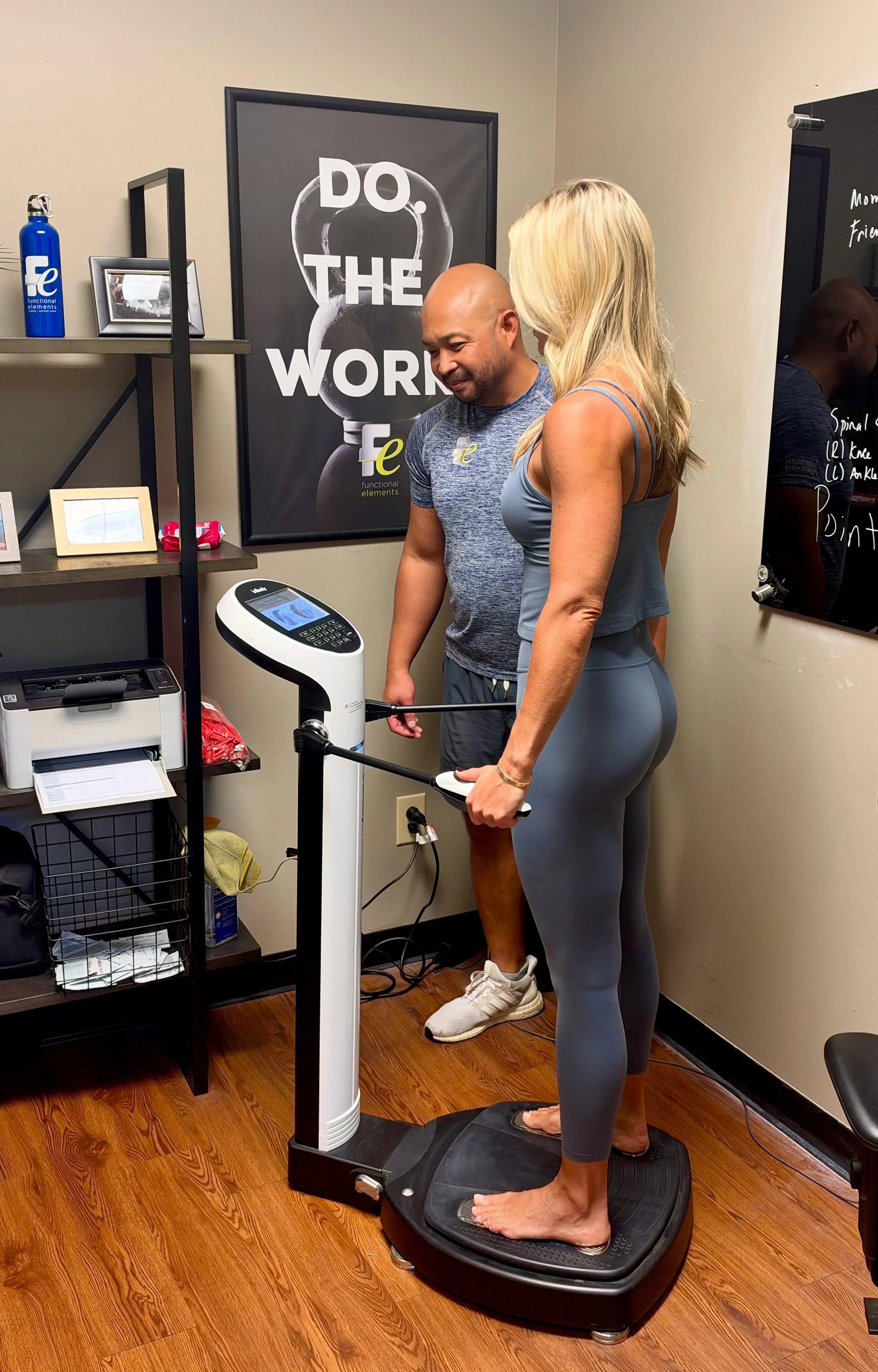
Tony Muyco guides a client through an InBody scan at Functional Elements Training & Nutrition in Creve Coeur, Missouri. The scan helps track changes in body fat, muscle mass and overall body composition as part of a personalized fitness program.
Here at Functional Elements, we love data.
It helps keep us accountable, measure progress and sometimes tell us when something isn't working.
But there's something important we've learned from doing reassessments with clients over the years:
No single measurement tells the whole story.
That's especially true with body composition testing.
At Functional Elements, we use InBody scans to help clients better understand their bodies and track changes in muscle and body fat over time. But one question comes up often:
How accurate is an InBody scan, really?
The short answer: An InBody scan can be a very useful tool for estimating body composition and tracking progress over time, but no single scan should be treated as an absolute measurement of your muscle or body fat.
The real value comes from understanding the numbers — and watching how they trend over time.
What Does an InBody Scan Actually Measure?
An InBody scan uses a technology called bioelectrical impedance analysis, or BIA.
The device sends a very low-level electrical current through the body and measures how that current moves through different tissues. Because water-rich tissues such as muscle conduct electricity differently than fat tissue, InBody uses those measurements to estimate different components of your body composition.
Depending on the model, your results may include:
Skeletal muscle mass: An estimate of the muscle attached to your bones that helps you move, lift and perform everyday activities.
Body fat mass: An estimate of the total amount of fat in your body.
Percent body fat: The estimated percentage of your total body weight that is fat.
Total body water: An estimate of the water contained in your body.
Segmental analysis: Estimates of muscle and fat distribution throughout your arms, legs and trunk.
Visceral fat indicators: Estimates related to fat stored around the abdominal organs.
That's considerably more information than simply knowing what you weigh.
👉 New to InBody? Learn what an InBody scan measures and which numbers actually matter the most.
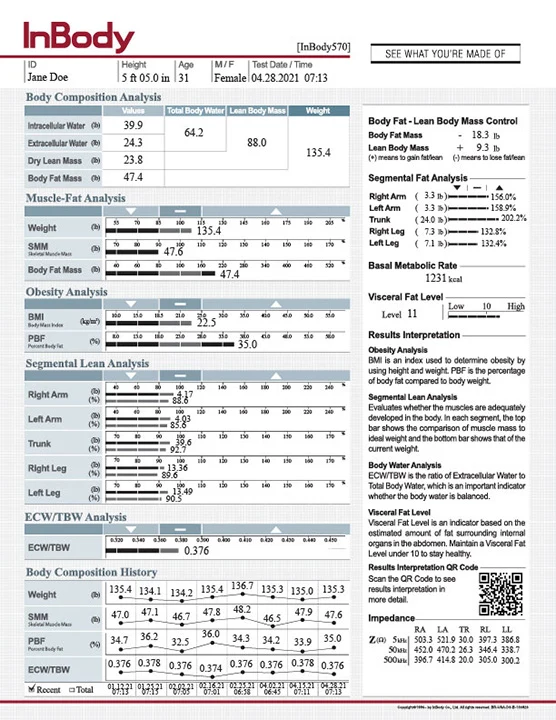
A sample InBody 570 results sheet showing how body composition measurements go beyond weight alone.
So, How Accurate Is an InBody Scan?
The most honest answer is that InBody scans can provide useful and reasonably precise estimates, but they aren't perfect measurements of body composition.
InBody uses multiple electrical frequencies and measures different body segments separately, making it more sophisticated than simpler forms of BIA.
Research comparing InBody with DXA (sometimes called DEXA), another commonly used method of assessing body composition, has found that the two methods can track similarly while still producing different numbers for an individual.
That distinction matters.
Two methods can show a strong relationship without producing identical measurements.
So if your InBody scan estimates your body fat at a certain percentage, another testing method may give you a somewhat different number.
For us, that's not necessarily a problem.
We're generally less interested in finding one supposedly perfect body-fat number than we are in determining whether your muscle and body fat are trending in the right direction over time.
What Can Affect Your InBody Results?
One of the most important things to understand about InBody testing is that it's sensitive to changes in your body's fluid balance.
Temporary changes in hydration can influence your results even when your actual muscle and fat tissue haven't meaningfully changed.
Several things can affect a scan:
Hydration: Being dehydrated or unusually overhydrated can influence your readings.
Food and fluid intake: Eating or drinking shortly before testing can affect your body weight and resulting estimates.
Exercise: Training can temporarily change hydration, body temperature and fluid distribution.
Time of day: Your body's fluid distribution changes throughout the day, meaning a morning scan may differ somewhat from an afternoon scan.
This is why consistent testing conditions matter.
How to Get the Most Accurate InBody Scan Possible
If you're using InBody to monitor progress, the goal isn't to manipulate the scan to produce the "best" numbers.
It's to make each assessment as comparable as possible to the last one.
At Functional Elements, we recommend:
Test at approximately the same time of day each time.
Maintain your normal hydration habits.
Avoid alcohol for 24 hours before your scan.
Avoid drinking liquids for approximately 45 minutes before testing.
Avoid eating for at least three hours before testing.
Avoid exercise for at least three hours before testing; longer may be appropriate after particularly demanding training.
Use the restroom before your scan.
Consistency helps reduce unnecessary variation between tests and gives us a better comparison over time.
We Care More About Trends Than One Scan
This is where we think the real value of InBody testing comes into play.
Let's say you step on the scale and your weight hasn't changed in eight weeks.
You might assume your training and nutrition aren't working.
But what if you've gained muscle while losing body fat?
Your body weight might stay relatively stable even though your body composition has improved. A traditional bathroom scale wouldn't tell you that story.
Now imagine the opposite. Your weight drops several pounds quickly and your next InBody scan shows a decrease in muscle mass.
Does that automatically mean you've lost several pounds of actual muscle tissue?
Not necessarily.
Changes in hydration and stored carbohydrates can influence your measurements, particularly over short periods.
That's why we don't make major training or nutrition decisions based on one unexpected result.
Instead, we look at the bigger picture:
Is skeletal muscle mass generally stable or increasing?
Is body fat trending in the direction that supports your goals?
Are your strength and physical performance improving?
Are you moving better and feeling more capable in everyday life?
When the measurements, your training performance and how you feel all tell a similar story, we have much better information to work with.
Why We Pay So Much Attention to Muscle
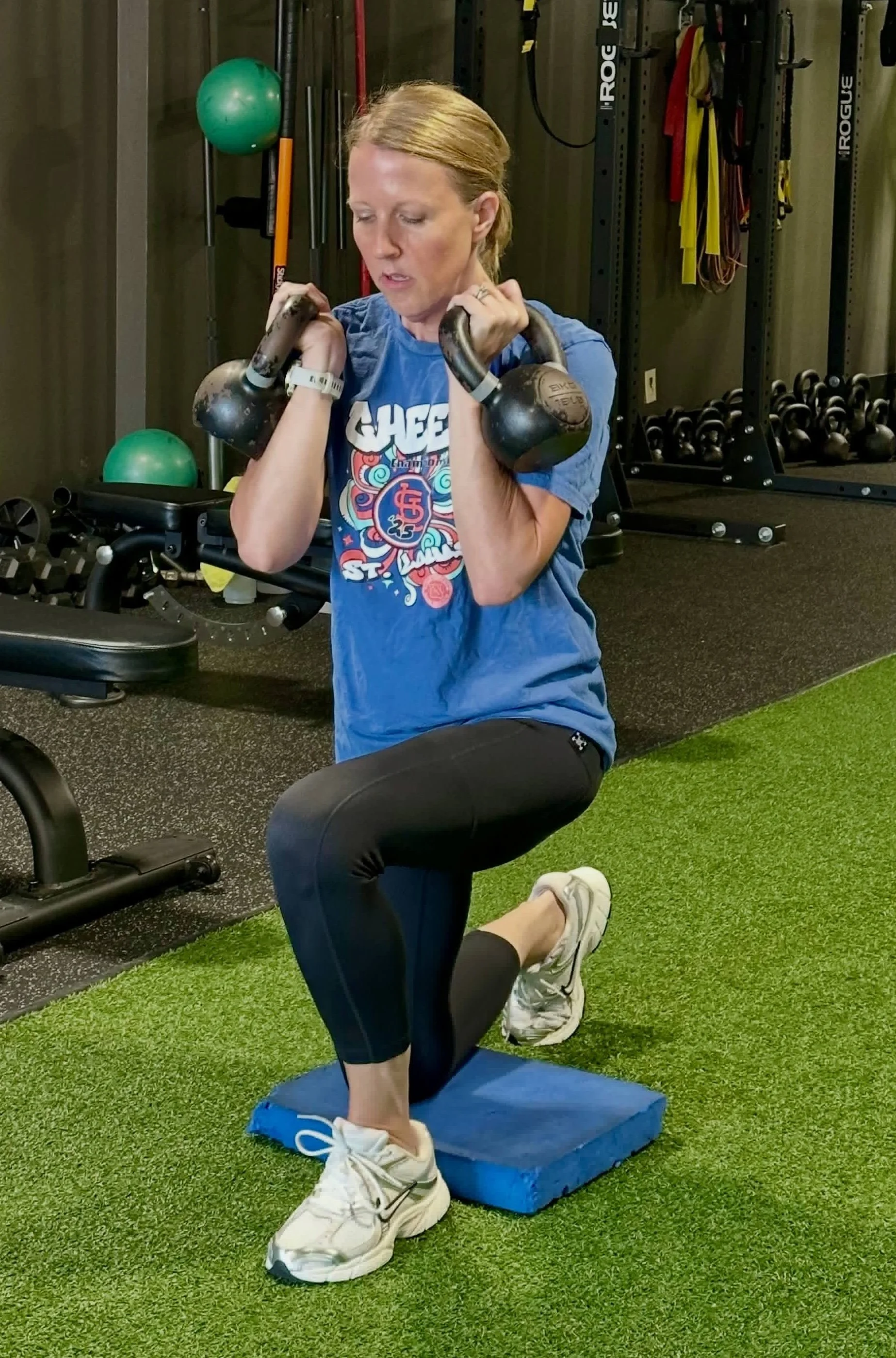
Strength training helps preserve the muscle, strength and physical capability that keep us moving well as we age.
At Functional Elements, we believe building and maintaining muscle is an important part of staying strong and independent as we age.
Muscle supports everyday activities like climbing stairs, carrying groceries, getting up from the floor and maintaining balance.
That's also why we don't want our clients focusing exclusively on losing weight.
If your goal is fat loss, we'd ideally like to see you reduce body fat while preserving as much muscle as possible.
An InBody scan gives us another piece of information to help guide that process.
But it doesn't replace strength testing, movement assessments or conversations about how you're actually feeling and functioning.
It's one piece of a much bigger picture.
The Bottom Line: Use the Data, But Don't Let It Define You
So, how accurate is an InBody scan?
It's a practical tool for estimating body composition and tracking changes when testing conditions are reasonably consistent. Individual results can differ from other testing methods, and short-term changes may reflect fluid shifts rather than actual changes in muscle or body fat.
At Functional Elements, we use InBody results to help guide conversations about training, nutrition and progress. We look for patterns, consider the context and combine the numbers with what we see in the gym and what our clients experience in everyday life.
Because the goal isn't simply to lose weight.
It's to build strength, maintain muscle, move with confidence and stay capable of doing the things you love for as long as possible.
The numbers can help guide the process. The real progress is what those numbers help you accomplish.
Ready to See What Your Progress Actually Looks Like?

Tony Muyco III, CSCS, PPSC, PPSC*KB, CFSC
If you could use a kickstart with your fitness, nutrition and recovery, we can help. It's what we do.
Check out our 14-Day 360° and see how Functional Elements can help you establish a starting point, build a plan around you and track your progress along the way.
And remember...
GIVE YOUR BODY WHAT IT NEEDS, WHEN IT NEEDS IT!
Tony Muyco III, CSCS, PPSC, PPSC*KB, CFSC
Functional Elements Training & Nutrition

How to Read Your InBody Scan Results (And Which Numbers Actually Matter)
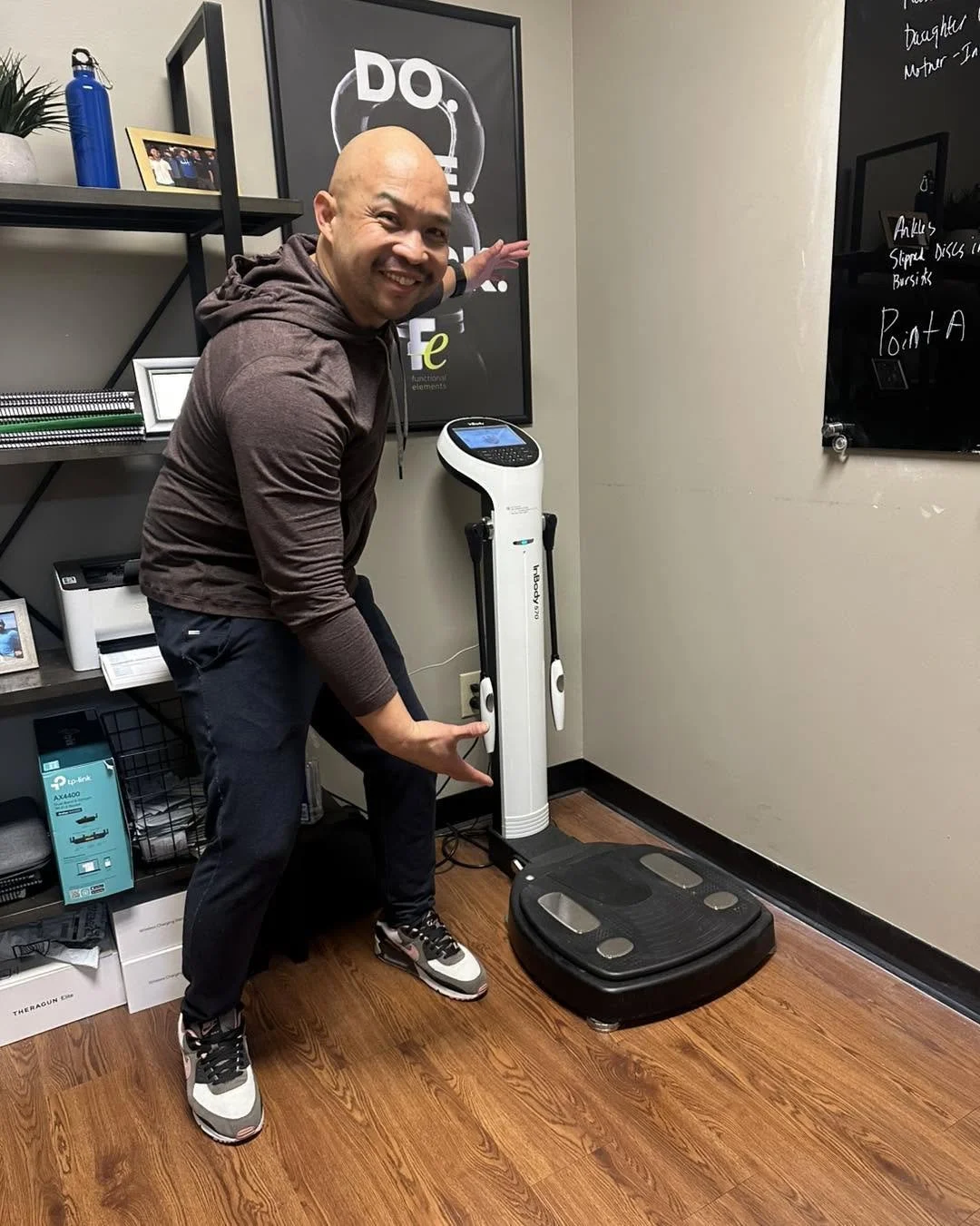
Meet one of the most valuable tools in our studio. The InBody scanner helps us measure what actually matters—muscle, body fat, and meaningful progress over time.
If you've ever had an InBody scan and wondered what all those numbers actually mean, you're not alone.
Whether your goal is weight loss, building muscle, improving body composition, or simply aging healthier after 40, understanding your InBody results can help you make smarter decisions.
At Functional Elements Training & Nutrition in Creve Coeur, MO, we use InBody body composition scans as a decision-making tool—not a report card.
Because while the report includes dozens of measurements, only a handful truly matter.
What Is an InBody Scan?
An InBody scan is a body composition analysis that measures muscle, body fat, water, and other health metrics. Unlike a traditional scale, an InBody scan shows what your weight is made of, helping you track fat loss and muscle gain over time.
Unlike a traditional scale, it shows what your weight is made of, not just the number.
1. Skeletal Muscle Mass (SMM) — The #1 Metric
This is the most important number on your scan.
Skeletal Muscle Mass (SMM) tells you how much functional muscle you have.
Why it matters:
Drives metabolism
Supports joints and reduces injury risk
Improves insulin sensitivity
Strongly tied to longevity and independence
Simple rule: More (quality) muscle = better health and long-term outcomes
What to look for:
Are you maintaining or increasing muscle?
If you’re losing weight, are you preserving muscle?
Reality check: If your weight is going down and your muscle is going down… you’re not improving your body, you’re just shrinking it.
👉 Learn why muscle mass matters more than your weight after 40.
2. Body Fat Mass (BFM) — More Important Than Percentage
Most people focus on body fat percentage. But the more useful number?
Total Body Fat Mass (in pounds)
Why it matters:
Shows how much actual fat you’re carrying
More actionable than percentages
Less influenced by hydration or muscle changes
What to look for:
Is body fat mass trending down over time?
Are changes sustainable—not extreme?
3. Body Fat Percentage (PBF) — Context, Not the Goal
Body fat % gets all the attention—but it needs context.
Why it matters:
Shows ratio of fat to total body weight
Helps categorize general health ranges
The problem:
It can change without real progress
Lose muscle → body fat % can go up
Gain muscle → body fat % may go down
Takeaway:
Use it as a supporting metric, not your primary target.
4. Weight — The Least Important “Big” Number
Yes, it’s on the sheet. No, it’s not the priority.
Weight is simply the sum of:
Muscle
Fat
Water
Everything else
It tells you nothing about:
Strength
Health
Longevity
Body composition
Here's an example.
Person A weighs 180 pounds. Person B also weighs 180 pounds.
One carries 25 pounds more muscle. The other carries 25 pounds more body fat.
The scale says they're identical. Their health says otherwise.
That's exactly why body composition matters more than body weight.
Better question than “Did I lose weight?”
“What did I lose?”
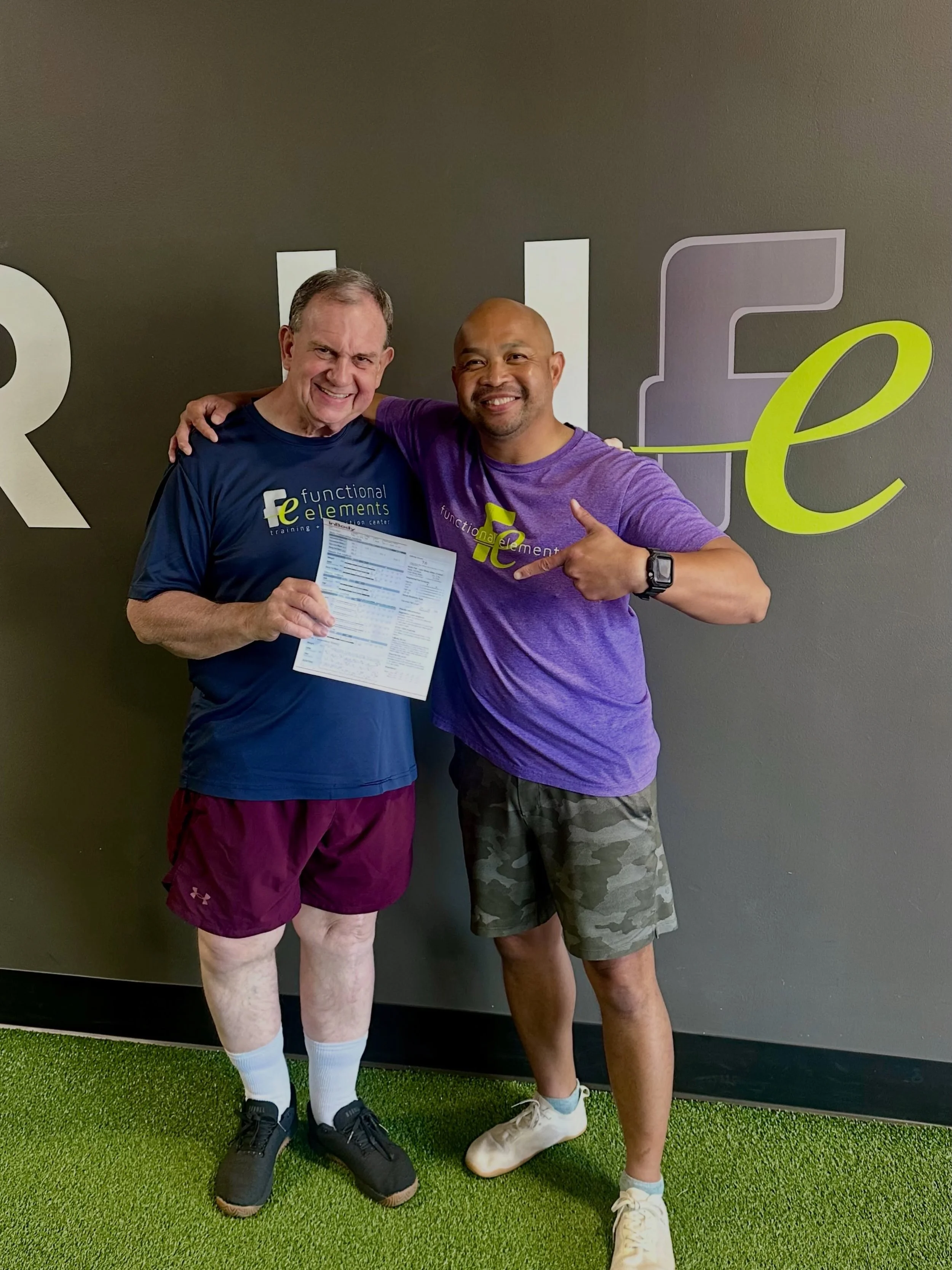
Celebrating a 10-week reassessment with an updated InBody scan. Progress is about more than weight—it's about building a stronger, healthier body.
5. Visceral Fat Level — A Key Health Indicator
Visceral fat is stored around your organs.
Why it matters:
Higher levels are linked to:
Heart disease
Type 2 diabetes
Metabolic dysfunction
What to look for:
Keep levels in a healthy range (typically under 10 on InBody scale)
Focus on steady reduction over time
6. Segmental Lean Analysis — Where Your Muscle Lives
This section shows how muscle is distributed across your body:
Arms
Legs
Trunk
Why it matters:
Identifies imbalances
Guides training focus
Helps prevent injury
Example:
Underdeveloped legs → prioritize squats, hinges, lunges
One side weaker → address asymmetry
What Actually Matters Most (Simplified)
If you want to simplify your entire InBody scan, focus on:
Skeletal Muscle Mass → increasing or stable
Body Fat Mass → decreasing (if fat loss is the goal)
Consistent trends over time
That’s it.
The Biggest Mistake People Make
They treat the InBody scan like a report card, instead of a feedback tool.
One scan means very little. Trends over time tell the story
Also remember:
Hydration impacts results
Time of day matters
Food (and alcohol!) intake matters
Consistency in testing conditions > perfection in numbers.
👉Learn how much protein adults over 40 really need.
Who Should Be Using InBody Scans?
InBody scans are especially valuable for:
Adults 40–70 focused on longevity and strength
Busy professionals who want efficient, data-driven training
Anyone investing in personal training and wanting measurable progress
What Your InBody Scan Should Really Tell You
At Functional Elements, we view an InBody scan like this:
It’s not about chasing numbers—it’s about building a better body.
And the best way to do that?
Strength train consistently
Eat adequate protein
Create a sustainable calorie deficit (if fat loss is the goal)
Stay consistent long enough for trends to emerge
Because in the end…
The goal isn’t just to weigh less. It’s to be stronger, healthier, and more capable for life.
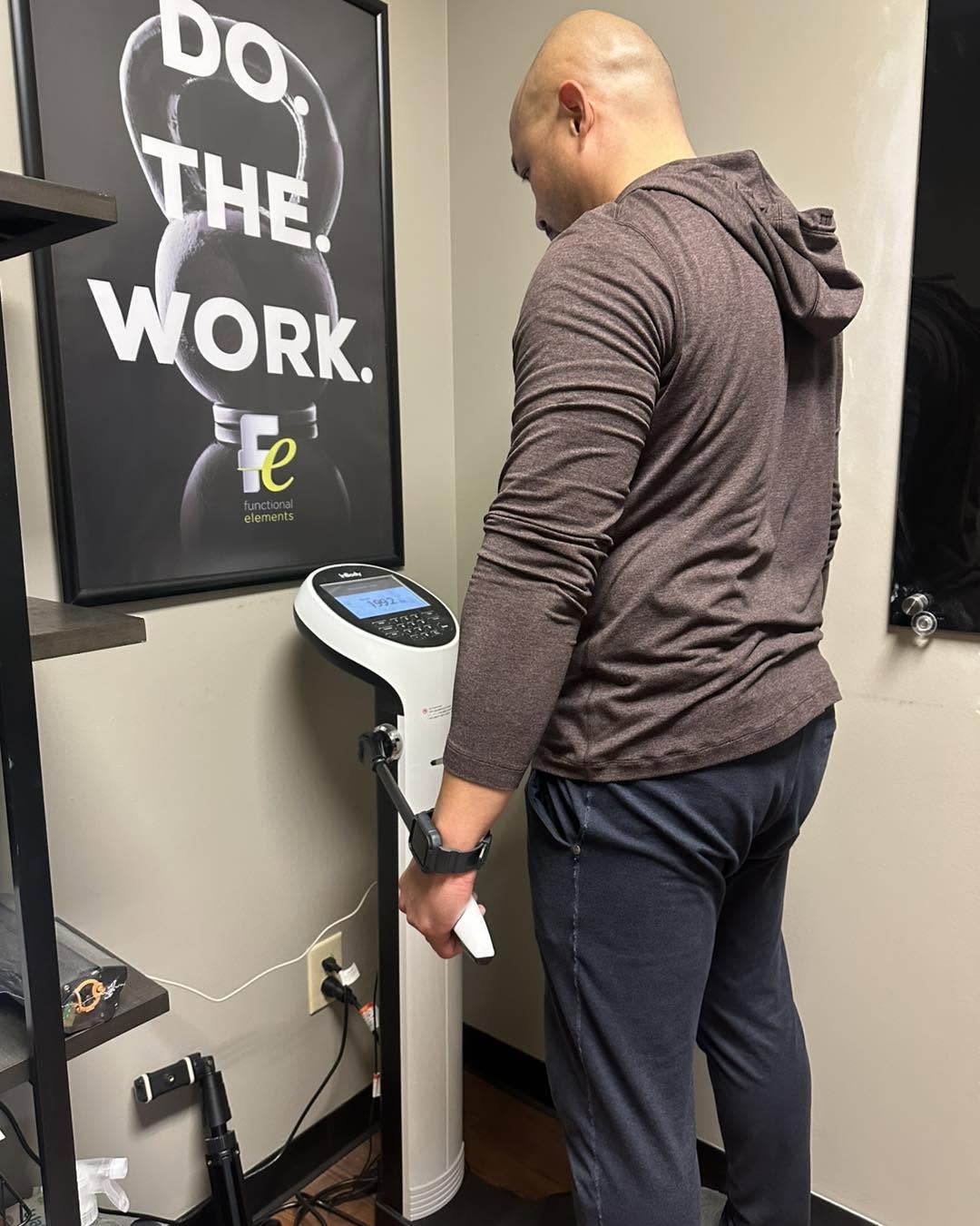
An InBody scan measures far more than your weight, providing valuable insight into muscle mass, body fat, and overall body composition.
Final Thought: What Is an InBody Scan Like?
One of the questions we hear most often is:
"What do I actually have to do during an InBody scan?"
The good news is that an InBody scan is quick, easy, completely non-invasive, and takes less than one minute to complete.
You'll simply:
Remove your shoes and socks
Step onto the InBody scanner
Hold the hand electrodes for approx. 45-60 seconds
Receive a detailed body composition report immediately
There's no pinching. No radiation. No needles. No discomfort.
But here's the important part...
The scan itself isn't the value.
The interpretation is.
At FE Training & Nutrition, we don't just hand you a report full of numbers and send you on your way.
One of our coaches will sit down with you, explain what your results actually mean, answer your questions, identify opportunities for improvement, and help you build a plan based on your goals.
Because knowing your Skeletal Muscle Mass or Body Fat Percentage is interesting...
Knowing what to do with that information is life-changing.
FAQ
What is the most important number on an InBody scan?
Skeletal Muscle Mass (SMM) is the most important metric because it drives metabolism, strength, and long-term health outcomes.
Is body fat percentage accurate on an InBody scan?
It can be useful, but it should not be the primary focus. Body fat mass (in pounds) and trends over time are more reliable indicators.
How often should you do an InBody scan?
At Functional Elements we typically coincide InBody Scans with our approx. 10-week reassessments. At the very least, one to two times per year for benchmarking.
Are InBody scans worth it for people over 40?
Yes. They provide valuable insight into muscle loss, fat gain, and overall body composition—key factors in aging well.
Can hydration affect an InBody scan?
Yes. Hydration levels can influence body composition measurements, which is why it's important to test under similar conditions each time.
Is an InBody scan better than a BMI calculation?
Yes. BMI only considers height and weight, while an InBody scan measures body composition, including skeletal muscle mass, body fat, and visceral fat.
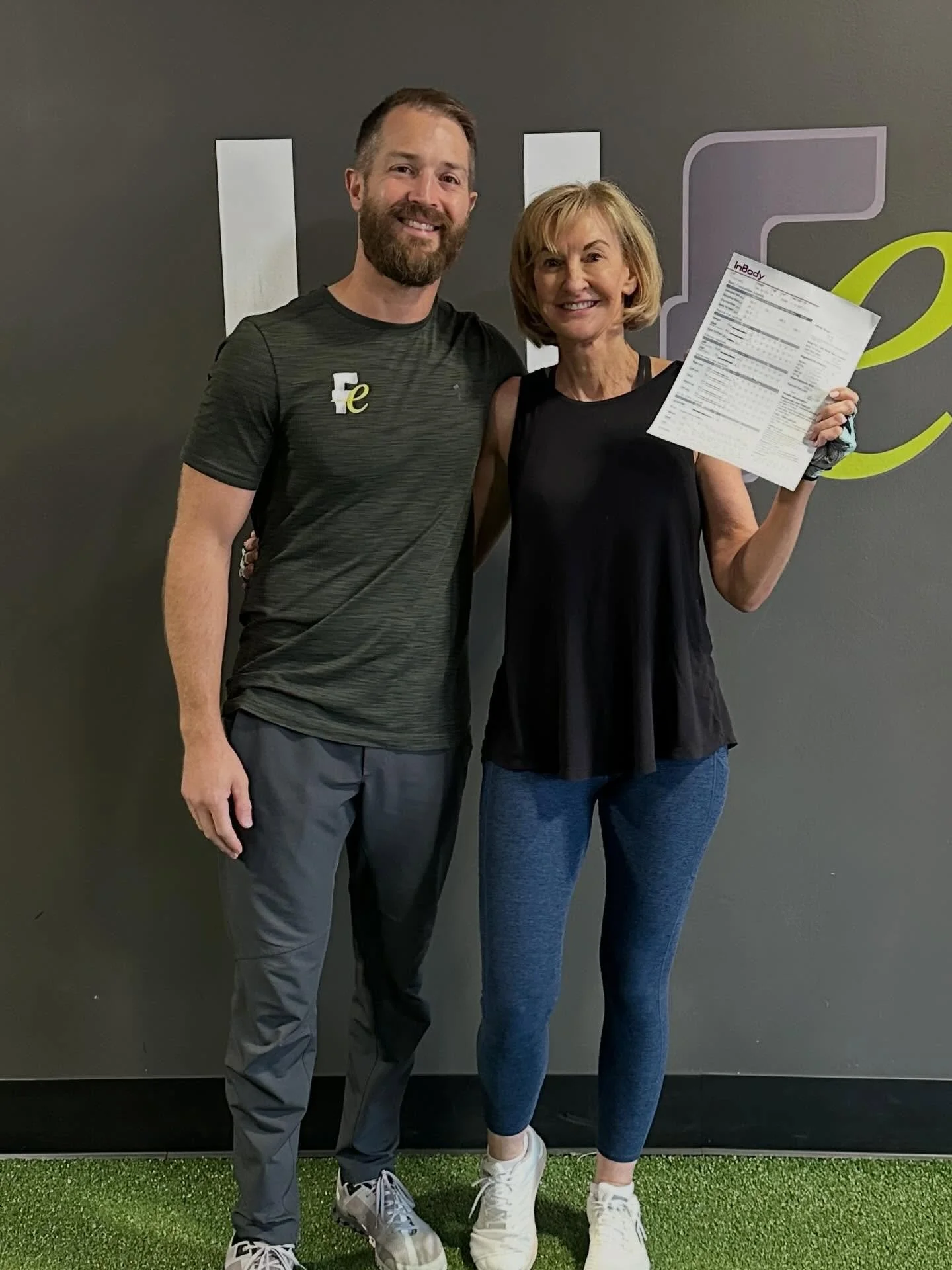
Celebrating a successful 10-week reassessment. An InBody scan helps us measure meaningful progress in muscle mass, body fat, and body composition—not just changes on the scale.
Ready to See What’s Really Changing?
The scale only tells part of the story.
An InBody scan shows what your body is actually made of—and gives you a roadmap for improving your muscle mass, reducing body fat, and tracking meaningful progress over time.
If you're in Creve Coeur or the St. Louis area, schedule an InBody scan with Functional Elements Training & Nutrition and let our team help you understand exactly what your results mean - and how to use them moving forward.
And always remember ...
GIVE YOUR BODY WHAT IT NEEDS, WHEN IT NEEDS IT!
Tony Muyco III, CSCS, PPSC, PPSC*KB, CFSC
Functional Elements Training and Nutrition Center
Partner and Director of Training
(c) 314.401.5047
functionalelements@gmail.com
http://www.functionalelements.net
If you need a kickstart to get your fitness, nutrition and recovery program properly synched, we can help. It's what we do. Check out our 14-day 360• to get you motivated, educated and aligned with the very best Functional Elements Training & Nutrition has to over, over a period of just 14 days.

What Is a Good InBody Score? How to Understand and Improve Your Results
If you’ve ever had an InBody scan, one of the first numbers you probably noticed was your InBody Score.
But what does that score actually mean? What is considered a good InBody Score? And more importantly, how should you use it when evaluating your fitness, muscle mass, body fat, and overall progress?
Updated September 15, 2026
If you’ve ever had an InBody scan, one of the first numbers you probably noticed was your InBody Score.
But what does that score actually mean? What is considered a good InBody Score? And more importantly, how should you use it when evaluating your fitness, muscle mass, body fat, and overall progress?
At Functional Elements Training & Nutrition in Creve Coeur, Missouri, we use InBody body composition testing as an important part of assessing new clients and tracking progress over time.
Why?
Because the number on a traditional bathroom scale only tells us how much you weigh. It does not tell us how much of that weight is muscle, body fat, water, or other lean tissue.
That is where an InBody scan becomes much more useful.
What Is an InBody Scan?
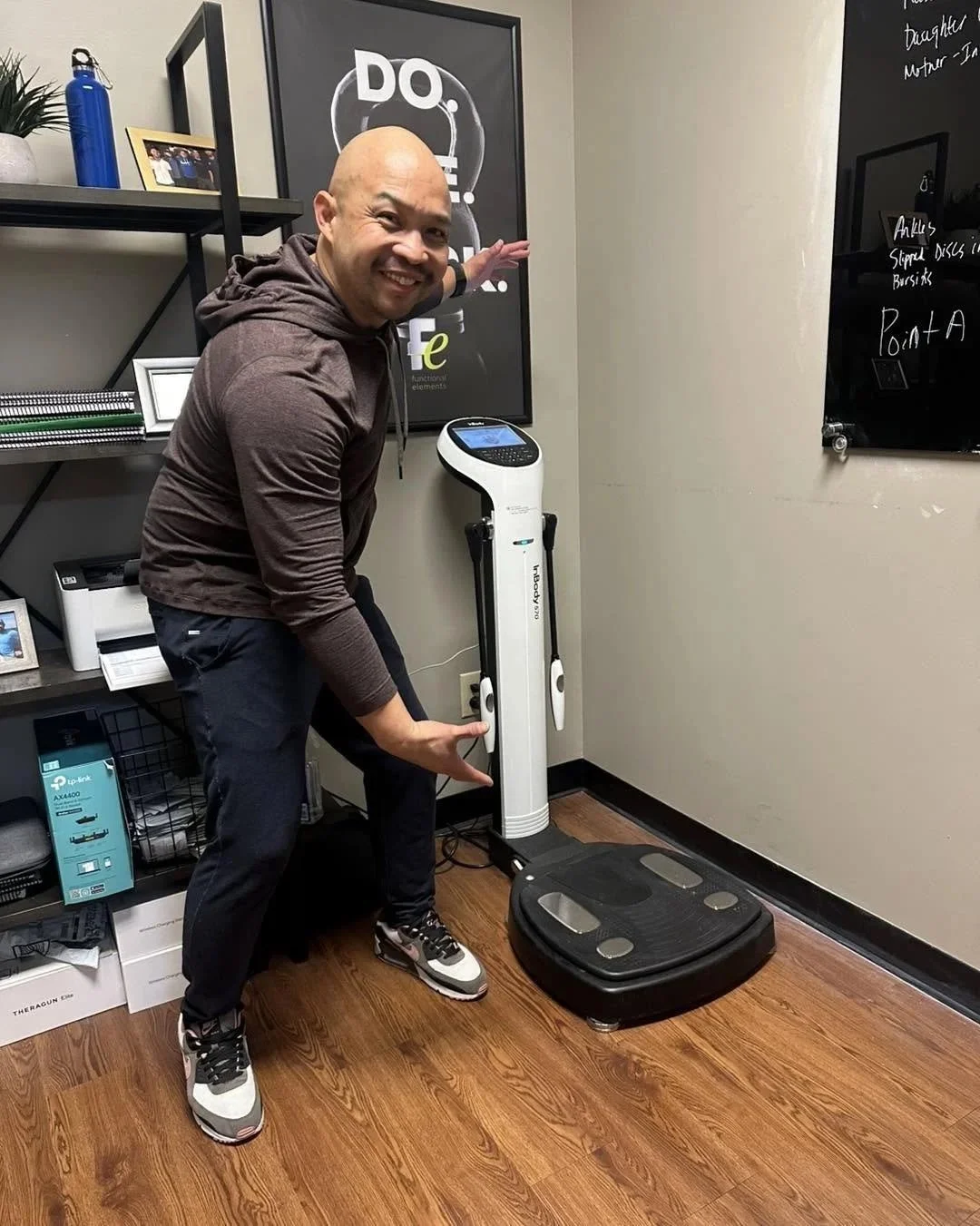
InBody body composition testing is part of how we establish a baseline and track meaningful changes over time at Functional Elements.
An InBody scan is a body composition assessment that provides information about what your body weight is actually made of.
Clients simply step onto the InBody, hold the handles, and complete the scan in less than a minute.
Depending on the InBody model being used, the results can provide information such as:
Skeletal muscle mass
Body fat mass
Body fat percentage
Visceral fat
Body water
Segmental lean analysis
Basal metabolic rate
Overall InBody Score
For our personal training coaches at Functional Elements, this information provides a much more complete picture than body weight alone. We use InBody data to help guide training decisions, establish a baseline, and monitor changes in body composition over time.
What Is an InBody Score?
The InBody Score is a numerical score designed to provide a simple snapshot of your overall body composition.
It considers the relationship between your muscle mass and body fat compared with reference values for someone of your height and sex.
The score can be useful as a benchmark, but it should not be viewed as a complete measure of health or fitness.
That distinction is important.
Someone can improve significantly in muscle mass, strength, body fat percentage, mobility, or overall fitness without necessarily seeing a dramatic change in a single score.
That is why we look at the entire InBody report, not just the InBody Score.
For a deeper breakdown of the full report, see our guide to How to Read InBody Scan Results.
How Is the InBody Score Calculated?
The InBody Score is influenced primarily by the balance between lean body mass and body fat mass.
Generally speaking:
Having more healthy lean mass can positively influence the score.
Having excess body fat relative to lean mass can lower the score.
The purpose is not simply to chase a higher number.
The real value of the score is using it alongside the rest of your body composition data to understand whether your body is changing in the direction you want.
What Is a Good InBody Score?
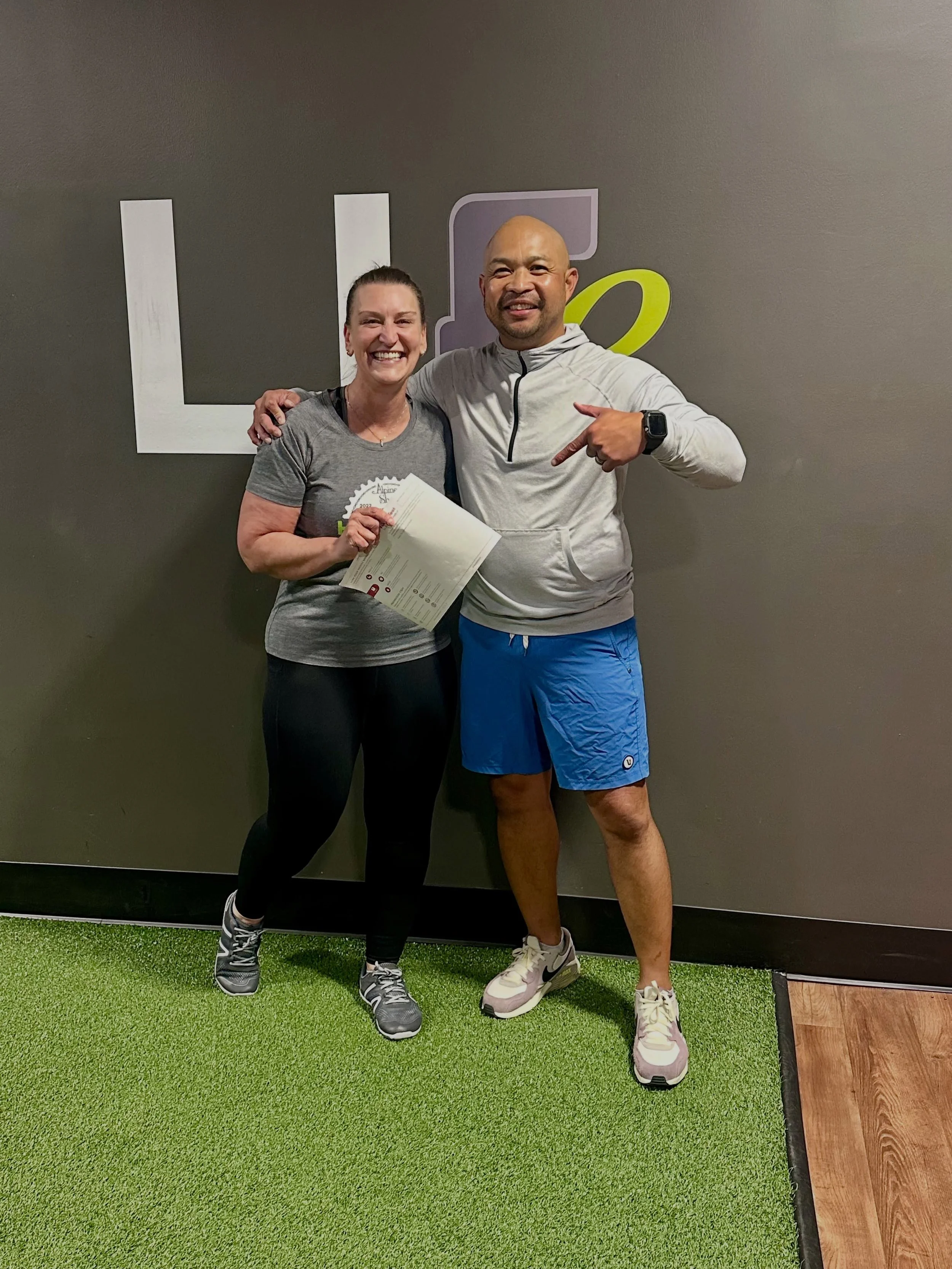
The InBody scan produces a detailed body composition report showing measurements such as skeletal muscle mass, body fat percentage, visceral fat, and other key data points. Here, Tony reviews the report with a Functional Elements client to help turn the numbers into a clear plan forward.
A common question we hear is:
“What is a good InBody Score?”
The answer is more nuanced than simply aiming for one specific number.
InBody commonly uses 80 points as a reference point for balanced body composition, but your individual results should always be interpreted in context.
Your age, training history, muscle mass, body fat, goals, and overall health all matter.
Rather than focusing exclusively on whether your score is above or below a particular number, we typically look at several measurements together.
For example:
Someone may maintain the same body weight while losing body fat and gaining muscle.
The bathroom scale might show very little change.
The InBody scan, however, may show meaningful improvements in body composition.
That is one reason body composition testing can be so valuable.
How Can You Improve Your InBody Score?
For most people, improving body composition comes down to two primary goals:
Build or preserve muscle.
Reduce excess body fat when appropriate.
Of course, saying that is easier than doing it.
The real key is consistency.
Consistent strength training, appropriate nutrition, adequate protein intake, recovery, sleep, and sustainable habits can all play important roles in improving body composition over time.
At Functional Elements, we are much more interested in long-term trends than one isolated scan.
One measurement gives you a snapshot.
Repeated measurements can show you whether your training and nutrition program are actually working.
Strength training is one of the most effective ways to build and preserve lean muscle over time.
Learn more in our article, Strength Training: The Most Powerful Tool We Have for Aging Well.
Why Body Composition Matters More Than Body Weight Alone
The days of relying solely on body weight to evaluate fitness progress are over.
Body weight can certainly be useful, but it tells only part of the story.
Consider two people who both weigh 175 pounds.
One may have significantly more muscle and less body fat than the other.
The number on the scale is identical.
Their body composition is not.
This is why measurements such as skeletal muscle mass, body fat percentage, visceral fat, and lean body mass can provide much more meaningful information.
For many adults, particularly those over 40, preserving and building muscle becomes increasingly important.
The goal is not simply to weigh less.
The goal is to improve what that weight is made of.
How Often Should You Get an InBody Scan?
You generally do not need an InBody scan every week.
Body composition changes take time.
For many people, repeating a scan every several weeks or every few months provides a much more useful comparison.
At Functional Elements, we regularly use InBody testing to establish an initial baseline and then reassess clients periodically as their training and nutrition programs progress.
We also have people who do not train with us regularly but come in several times each year simply to monitor their body composition.
Looking for an InBody Scan in Creve Coeur or St. Louis?
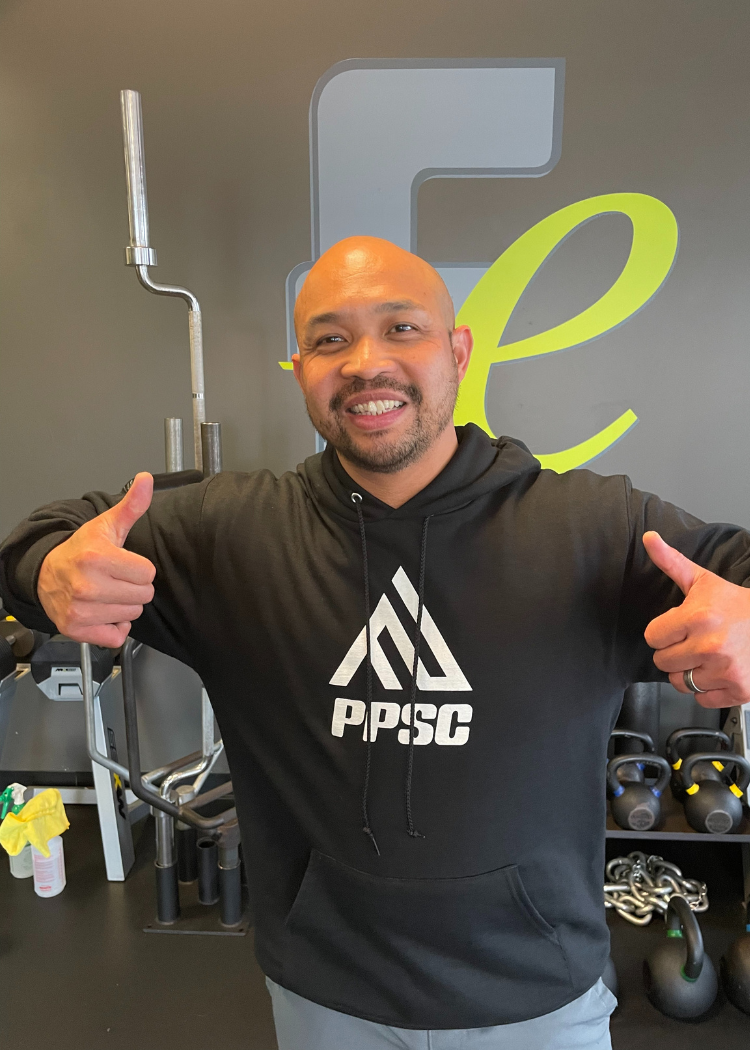
Tony Muyco, CSCS, PPSC, PPSC*KB, CFSC, Director of Training at Functional Elements.
Functional Elements Training & Nutrition offers InBody body composition testing in Creve Coeur, Missouri, serving clients throughout the St. Louis area.
But we believe the scan itself is only the beginning.
Getting a page full of numbers is not particularly helpful if you do not understand what they mean.
Our goal is to help you understand the important parts of your results, what may be worth paying attention to, and what your next step should be.
Whether your goal is to gain muscle, reduce body fat, improve strength, move better, or simply establish a baseline, an InBody assessment can provide useful information about where you are starting.
Want to Go Beyond the Scan?
Every new Functional Elements client begins with our 14-Day 360°.
The 14-Day 360° includes personalized training, InBody body composition assessment, nutrition guidance, coach meetings, and two weeks of hands-on experience with the Functional Elements approach.
Rather than guessing what your body needs, we start with data, movement, coaching, and real-world experience.
Learn more about the 14-Day 360° here.
Bottom Line
Your InBody Score can be a useful benchmark.
But the number itself is not the goal.
The real value of an InBody scan is understanding what is happening with your muscle mass, body fat, visceral fat, and overall body composition over time.
And that information becomes even more valuable when it is used to make better decisions about your training, nutrition, and recovery.
Remember …
Give Your Body What It Needs, When It Needs It.
Tony Muyco III, CSCS, PPSC, PPSC*KB, CFSC
Functional Elements Training and Nutrition Center
Partner and Director of Training
(c) 314.401.5047
functionalelements@gmail.com
http://www.functionalelements.net
If you need a kickstart to get your fitness, nutrition and recovery program properly synched, we can help. It's what we do. Check out our 14-day 360• to get you motivated, educated and aligned with the very best Functional Elements Training & Nutrition has to over, over a period of just 14 days.