Getting in Shape After 40: 10 Truths About Strength, Fat Loss & Healthy Aging
Turning 40 changes a lot of things in life.
And suddenly, what worked in your 20s doesn’t seem to work anymore.
Getting in shape after 40 is absolutely possible.
In fact, many adults build the strongest, healthiest, and most sustainable version of themselves during this stage of life …
Turning 40 changes a lot of things in life.
Your schedule gets fuller.
Recovery takes longer.
Stress is higher.
Sleep often gets worse.
And suddenly, what worked in your 20s doesn’t seem to work anymore.
Getting in shape after 40 is absolutely possible.
In fact, many adults build the strongest, healthiest, and most sustainable version of themselves during this stage of life.
At Functional Elements Training & Nutrition, many of the adults we work with throughout the St. Louis area are balancing careers, families, stress, travel, and changing energy levels while trying to improve their health after 40.
The key is understanding this:
Fitness after 40 is less about extremes and more about consistency, recovery, muscle maintenance, and smarter habits.
As we always say:
Consistency is king.
Let’s break it down into 10 simple truths that matter most.
1. Muscle Matters More Than Ever
After 40, adults naturally begin losing skeletal muscle mass every decade if they are not actively strength training.
That matters because muscle influences:
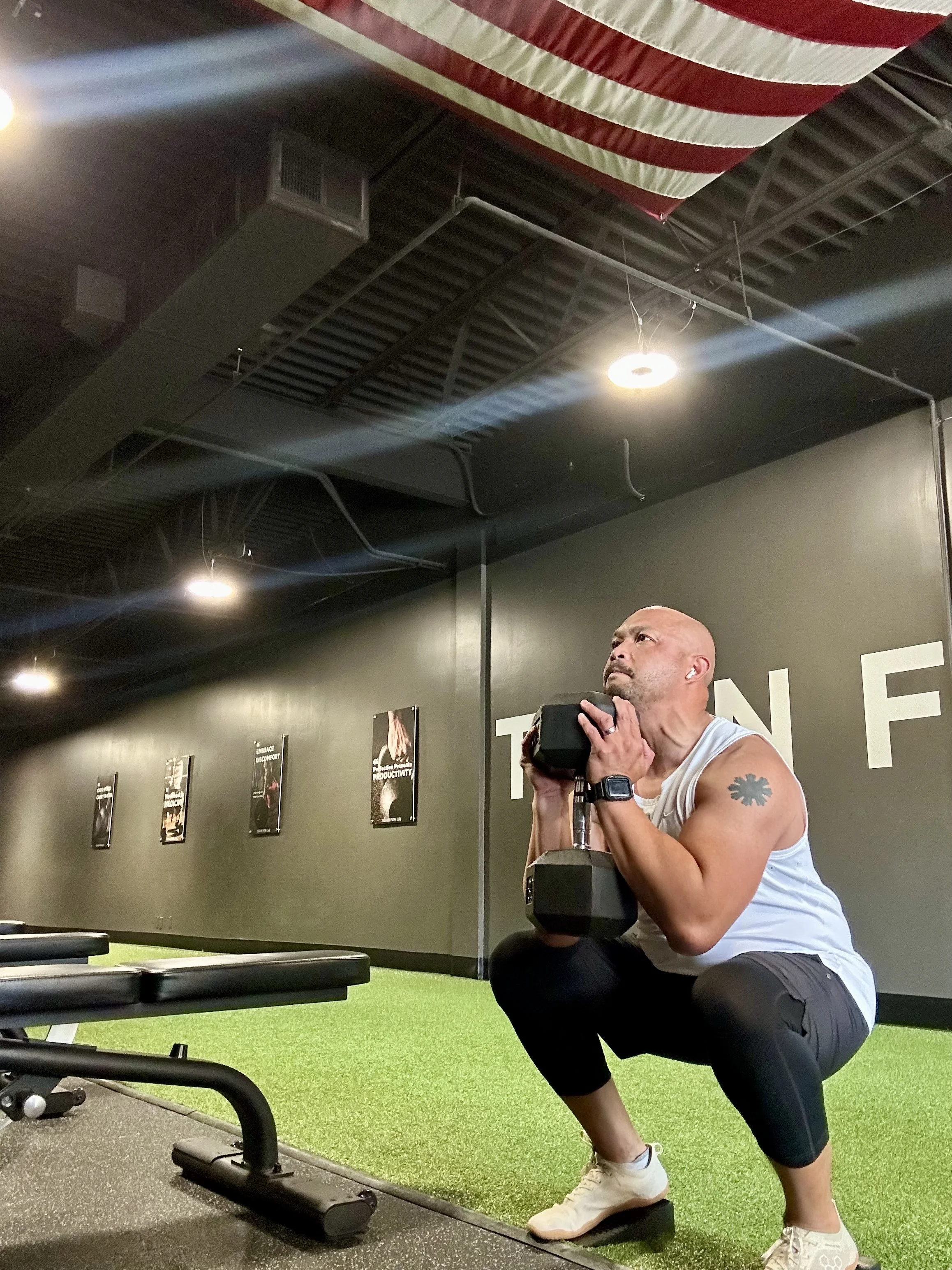
Strength training after 40 is one of the most powerful tools for maintaining muscle, mobility, metabolism, and long-term independence.
Metabolism
Blood sugar control
Bone health
Balance and mobility
Injury prevention
Longevity and independence
The goal shouldn’t simply be losing weight.
It should be building or maintaining muscle while reducing excess body fat.
Strength training after 40 is not optional if your goal is healthy aging.
It is one of the most powerful investments you can make in your long-term health.
Oh - and one more thing. Right alongside a strategic training program should be an InBody score for benchmarking purposes. Not just a scale - it’s not nearly telling the whole story.
2. Recovery Is Part of the Program
In your 20s, you could often survive on little sleep, train hard, and bounce back quickly.
After 40, recovery becomes one of the biggest keys to progress.
This means:
Prioritizing sleep
Managing stress
Walking more
Eating enough protein
Knowing when to take an off day
More is not always better.
Better recovery often leads to better results.
We often see busy professionals in their 40s and 50s trying to train the same way they did decades ago—only to end up frustrated, exhausted, or injured.
Usually the answer is not “train harder.”
It’s smarter programming and better recovery.
3. Consistent Nutrition Matters More Than Perfect Nutrition
Most people don’t struggle because they eat poorly for one meal.
They struggle because they cannot consistently follow overly restrictive plans.
After 40, the best nutrition strategy is usually:
Simple
Repeatable
Flexible
High in protein
Rich in fruits and vegetables
Sustainable for real life
You do not need:
detoxes
cleanses
extreme fasting protocols
You need a process you can realistically follow most days of the week.
Sustainable nutrition leads to sustainable fat loss.
4. Protein Intake Becomes Crucial
You hear us at Functional Elements talk about protein constantly—and for good reason.
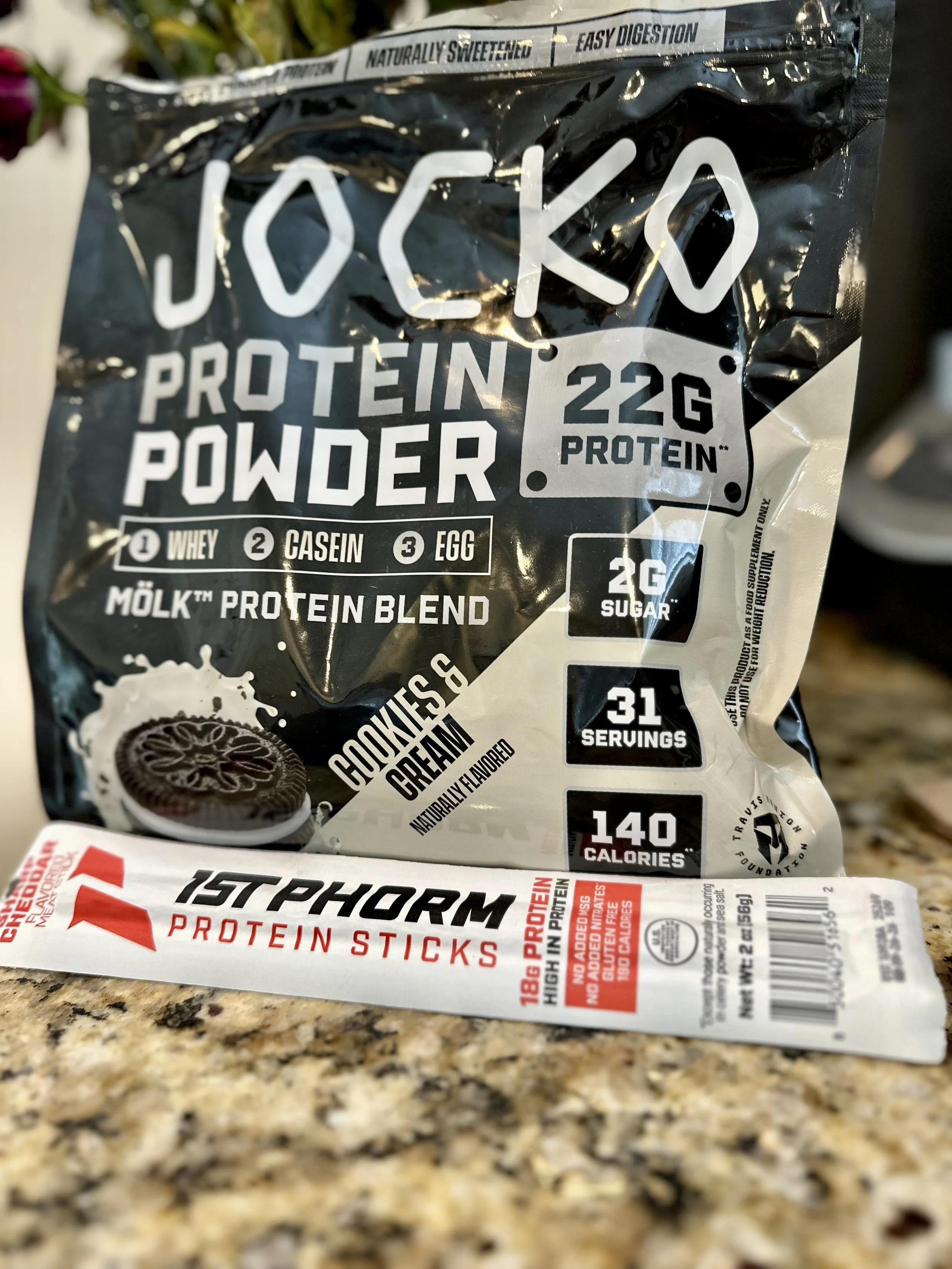
As we age, protein intake becomes increasingly important for muscle maintenance, recovery, metabolism, and healthy aging.
As we age, our bodies become less efficient at utilizing protein for muscle repair and maintenance.
That means protein needs generally increase with age.
Practical ways to improve protein intake:
Prioritize protein at every meal
Spread protein intake throughout the day
Choose high-quality protein sources consistently
Protein supports:
Muscle maintenance
Recovery
Satiety
Metabolism
Healthy aging
Many adults struggling with energy, hunger, recovery, or muscle loss simply are not consuming enough protein consistently.
At Functional Elements, we’re fortunate enough to have a registered/licensed dietitian on staff, Jaime Rothermich, to help clients understand how much protein they need to maintain build muscle - and how to put a strategic meal plan together to implement on a daily basis.
5. Don’t Underestimate Simple, Consistent Walks
This becomes more obvious as life gets busier.

Simple daily walks can dramatically improve recovery, cardiovascular health, stress management, and long-term fitness after 40.
Between careers, family responsibilities, and stress, simple movement becomes incredibly valuable.
Walking consistently—whether it’s 15 minutes or 60 minutes—can dramatically improve:
Calorie expenditure
Blood sugar control
Stress management
Recovery
Cardiovascular health
A consistent walking routine combined with a structured strength training program is one of the most effective combinations for long-term health after 40.
6. You Can’t Out-Train Poor Habits Anymore
Exercise matters.
But workouts alone cannot overcome:
Chronic overeating
Excess alcohol
Poor sleep
High stress
Sedentary lifestyles
Health is built through daily habits—not isolated workouts.
The adults who succeed after 40 are usually the ones who improve the small behaviors they repeat consistently every day.
7. Mobility and Joint Health Deserve More Attention
After 40, many adults notice:
Tight hips
Stiff shoulders
Achy knees
Back discomfort
Reduced mobility
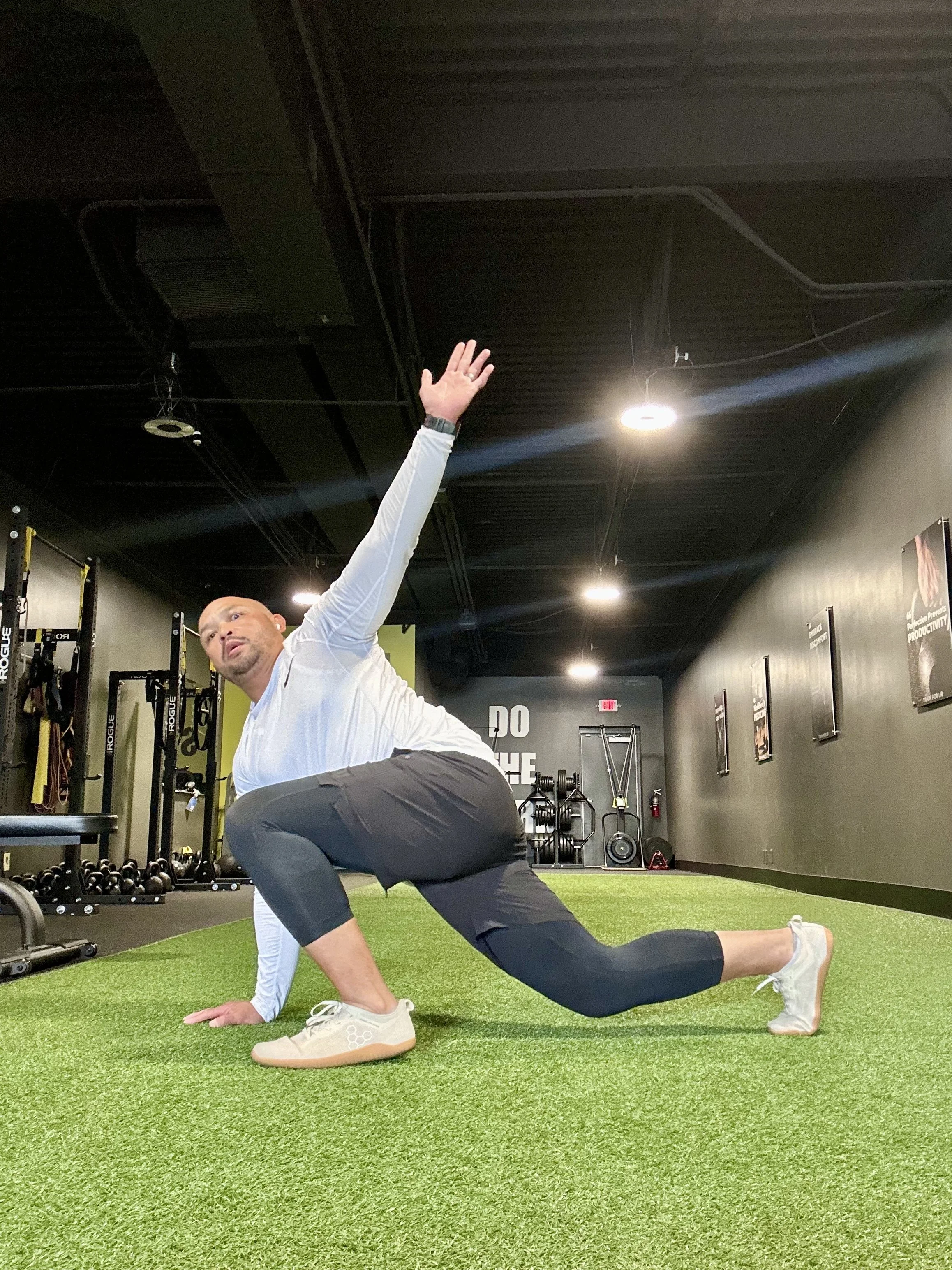
Mobility and recovery work help support joint health, movement quality, and longevity as we age.
Ignoring mobility usually makes these issues worse over time.
A smart fitness program should include:
Strategic warm-ups
Mobility work
Strength training through full ranges of motion
Recovery strategies
Proper progression
The goal is not just to look fit.
It’s to continue moving well for decades.
8. Stress Affects Your Body More Than You Think
Many adults over 40 are balancing:
Careers
Kids
Aging parents
Financial responsibilities
Packed schedules
Chronic stress affects:
Sleep
Recovery
Hunger
Cravings
Energy levels
Weight management
Sometimes the answer is not:
“Work harder.”
Sometimes it’s:
improving sleep
simplifying nutrition
creating routines
reducing chaos
finding a sustainable rhythm
9. The Goal Should Be Longevity, Not Punishment
Fitness should improve your life—not consume it.
The healthiest adults after 40 usually:
Strength train consistently
Eat reasonably well most of the time
Stay active
Maintain muscle
Recover properly
Avoid extremes
You do not need punishment-based workouts or guilt-driven nutrition plans.
You need habits that support:
Energy
Confidence
Independence
Longevity
Quality of life
10. Consistency Beats Intensity Every Time
This may be the biggest truth of all.
Small actions repeated consistently matter more than short bursts of motivation.
You do not need perfection.
You need to:
Show up regularly
Strength train consistently
Prioritize protein
Move daily
Sleep better
Stay patient
The people who succeed with fitness after 40 are rarely the most extreme.
They are usually the most consistent.
What We Focus on at Functional Elements
At Functional Elements, our approach to personal and small group training (we call it MGT or micro group training) and nutrition is built around:
Strength and longevity
Sustainable fat loss
Muscle preservation
Joint-friendly programming
Accountability and consistency
Helping adults stay capable for life
Our goal is not just helping people lose weight.
It’s helping them:
Move better
Feel stronger
Improve energy
Reduce pain
Build confidence
Stay independent as they age
Because fitness after 40 should enhance your life—not take it over.
The Bottom Line
Getting in shape after 40 is not about chasing the body you had at 22.
It’s about building a stronger, healthier, more capable version of yourself now.
You can still:
Build muscle
Lose fat
Improve energy
Increase strength
Reduce pain
Improve confidence
Enhance longevity
But the strategy changes.
Focus less on quick fixes and more on sustainable habits that support your body for the long haul.
Because in the end…
It’s about quality of life.
Frequently Asked Questions About Fitness After 40
Is it harder to get in shape after 40?
Getting in shape after 40 may require a different strategy, but it is absolutely achievable with proper strength training, recovery, nutrition, and consistency.
What is the best exercise after 40?
For most adults over 40, strength training combined with walking and mobility work provides the best long-term results for health, muscle maintenance, and longevity.
Can adults over 40 still build muscle?
Yes. Adults over 40 can absolutely build muscle with progressive resistance training, adequate protein intake, recovery, and consistency.
How often should you strength train after 40?
Most adults over 40 benefit from strength training 2–4 times per week depending on goals, recovery, and experience level.
Need help finding a strategic fitness and nutrition program you can actually stick with?
We’re here. (It’s what we do.)
And remember:
Give Your Body What It Needs, When It Needs It.
Tony Muyco III, CSCS, PPSC, PPSC*KB, CFSCF
Functional Elements Training and Nutrition Center
Partner and Director of Training
(c) 314.401.5047
functionalelements@gmail.com
www.functionalelements.net
If you’re searching for evidence-based nutrition coaching and personal training in or around St. Louis, Missouri, these same principles form the foundation of the work we do every day at Functional Elements—helping adults build strength, lose weight sustainably, and improve long-term health. Check out our 14-day 360° to get you motivated, educated and aligned with the very best Functional Elements Training & Nutrition has to offer over a period of just 14 days.